


Tips to Enhance Your Riding Skills for Beginners and Intermediate Riders
- Posted: 20th, Feb 2026
- Updated on: 20th, Feb 2026
- Category: Finance
- Written by: Shriram finance

 773
773 13 Min
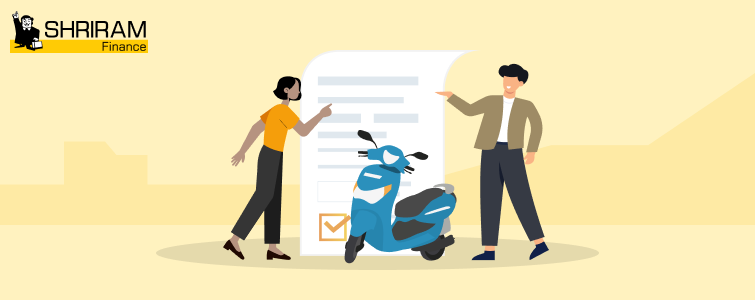
Learning to ride a bike is only the start. To really develop ability it takes time, focus, and a real commitment to doing everything right. It does not matter if you are new to riding two wheels, or you feel confident being on the road, there is always more to learn. The thing about improving bike riding skill is that it can help you in a lot of ways—in just riding better (as in smoother), but importantly, it can help you in managing unexpected challenges more safely.
Managing balance, coping with traffic flows, and using gears effectively all take practice. For the intermediate rider, the work is on refining skills in core techniques like braking and cornering and remaining calm under pressure. But what makes a good rider, is developing habits that ensure they ride with maximum ability, maximum care, maximum awareness and of course, good road manners.
This beginner riding guide brings together essential tips that are easy to follow and relevant for Indian roads. It offers practical suggestions aimed at helping you become more confident, alert and prepared. Whether you are commuting through city traffic or planning your first long ride, this guide will support your journey towards better riding. With regular practice and a focus on the right techniques, riding becomes not only more enjoyable—but also far safer.
Understanding Your Two-Wheeler: A Foundational Step
Before trying to improve riding technique, become fully familiar about the bike itself. Whether you are just starting out or starting after a long gap, its is necessary to understand your vehicle. This is a vital first step in any beginner riding guide. Each bike has a different feel—its balance, weight distribution, throttle response and braking power all influence how it behaves in motion.
Start by learning the layout and function of all basic controls. Know where the clutch, front and rear brakes, throttle, horn and indicators are located. Understand how much pressure each control needs. This reduces the chance of panic or delay in real-life riding situations. Many new riders struggle in early days simply because they are not comfortable with the physical setup of the bike.
Specifications also matter. Learn your two-wheeler’s engine capacity, braking system (disc or drum) and whether it has ABS. These features affect how you ride and stop in traffic or emergencies. Familiarity with basic specs also helps you stay in control while cornering or riding on wet or uneven roads.
Equally important is the habit of doing a quick pre-ride inspection. It does not have to take long, but checking tyre pressure, brake response, lights and fuel level can help avoid unexpected trouble once you are on the road. A loose chain or underinflated tyre might seem minor, but they can seriously affect how your motorcycle handles.
This simple practice builds a routine that strengthens awareness and responsibility—two key traits for safe riders. These checks also improve your confidence. You ride more calmly when you know your machine is in good shape.
In time, your connection with your two-wheeler will become more intuitive. You will sense when something feels off—whether it is a strange noise, reduced grip, or lag in response. That comes only from hands-on experience and consistent attention to detail.
As part of your beginner riding guide, mastering your bike’s basics is not optional. It is the foundation of everything that follows—from slow-speed control to high-speed stability. Understanding your machine gives you the confidence to grow and the awareness to ride with better judgement.
In short, better knowledge leads to better control—and better control leads to safer riding.
Mastering Balance and Low-Speed Control Techniques
Balance is one of the most significant, yet the most forgotten skills about riding a two-wheeled vehicle. Balance is significant at high speeds but is equally significant in day-to-day riding situations that are slower, especially urban riding with traffic. If your objective is to enhance your riding skill abilities, you must develop your steering and low-speed control abilities when riding a motorcycle, as balance and control are interrelated.
City streets and roads are filled with stop-and-go movement; narrow lanes, potholes, and speed bumps are just a few of the obstacles to expect, let alone the unexpected need to halt. Good motorcyclists should be able to keep their motorcycle stable and responsive even in slow-motion, or while turning with a tight radius, and not simply because. It may require you to develop the ability to do so through practiced inclination to be confident in balance while riding
A useful drill to start with is the figure-eight pattern in an open, empty space. It trains you to lean the bike, use the clutch and throttle together and stay stable while turning. The key is to look where you want to go and keep your body relaxed. Keep the movements slow. Try not to put your foot down unless needed. This improves your coordination and balance naturally over time.
Another helpful routine is the slow ride test. The aim here is to ride as slowly as possible—almost walking speed—while staying upright and steady. This teaches throttle control and clutch modulation. These are essential for signal-to-signal movement in crowded cities.
You can also practise stop-and-go starts with short braking distances. Come to a smooth halt, hold balance and gently move forward again using the clutch. Repeat this multiple times to improve your reaction and timing. These motorcycle riding tips are basic but extremely useful when dealing with daily traffic conditions.
Parking lot exercises can also help. Try weaving through cones or fixed markers without knocking them down. It develops your sense of spacing and movement.
All these low-speed techniques might feel simple at first, but they play a huge role in helping you improve bike riding skills for real-world conditions. They make you more confident in traffic and reduce the risk of dropping the bike at slow speeds.
Mastering control at low speeds is the foundation of smart city riding. The more balanced you feel at slow pace, the safer and smoother your entire ride becomes—especially when the road gets unpredictable.
Applying Effective Braking Methods for All Conditions
Braking is not just about stopping the motorcycle; it is about controlling it with precision. Whether you ride daily or occasionally, learning to brake properly is one of the most important ways to improve bike riding skills. Effective braking helps you ride safely in all road and weather conditions, especially when sudden stops are required.
One of the first lessons to learn is the correct balance between front and rear brakes. The front brake provides most of the stopping power—nearly 70% to 80% under normal conditions. The rear brake helps stabilise the motorcycle, particularly at lower speeds or when riding downhill. Many riders either ignore the rear brake or rely too much on it, which can affect balance and stopping efficiency. Practising with both brakes is the key to smooth and safe stopping.
Stopping distance depends on speed, road surface and weather. Braking on dry tarmac is very different from braking on wet or uneven roads. When the surface is slippery, grip levels drop. Understanding this helps avoid sudden braking that could lock the wheels or cause a skid. Keep a safe distance from other vehicles and slow down well in advance when road conditions change.
Emergency braking is another crucial skill. Find a safe, empty area and practise sudden stops from moderate speeds. Use both brakes progressively, apply firm pressure and keep the bike upright. Try this exercise in dry and wet conditions to build confidence. These are the kind of motorcycle riding tips that help in real-life emergencies, like a car cutting in front of you or an animal darting across the road.
Weather plays a big role in braking performance. In rain or fog, visibility and traction both reduce. Brake early and gently. Do not panic or apply brakes suddenly. On loose gravel or mud, use more rear brake to avoid front wheel lock-up.
One advanced tip is to cover the front brake lightly with two fingers while riding in traffic. This reduces reaction time and prepares you for sudden stops.
Learning how your motorcycle reacts to braking under different situations is essential to improve bike riding skills. The more time you spend practising, the more instinctive and safe your reactions become.
Improving Cornering and Turning Precision
Cornering is not simply turning the handlebar; it is using your whole body, your eyes and timing to successfully flow through a turn, safely. It's not uncommon for new riders to have challenges with tight turns or winding roads? If you're hoping to develop your skills as a bike rider, you will want to understand how body position, steering input and eye placement all come together.
One of the most effective techniques is counter-steering. When you push the right handlebar slightly forward, the bike leans to the right. Similarly, pushing the left side makes the bike lean left. This technique helps you steer more precisely at moderate to high speeds. It may feel unnatural at first, but it becomes easier with practice. Following a clear line of vision also plays a big role. Always look through the turn—towards where you want to go—not just at the road immediately ahead. This naturally helps your body and hands guide the bike.
Rider posture matters as well. Keep your arms relaxed, shoulders level and knees close to the fuel tank. As you enter a curve, shift your weight slightly in the direction of the turn. This balances the bike and helps it flow through the bend without jerks. If you remain stiff or upright, you will not feel in control. A balanced posture adds confidence.When riding on slopes or hilly roads, turning can become more challenging. The incline affects your speed and the force needed to steer. Always reduce your speed before entering a curve on an incline. Use the rear brake gently to maintain control while coming down a slope and avoid sudden throttle input during the turn. These are part of a solid beginner riding guide and should be practised regularly.
Practice is the only way to refine cornering skills. Choose between open spaces, safe roads, or designated rider zones. Start with slow-speed turns and increase the complexity once you feel more confident. Use cones or markers to simulate curves and practise maintaining balance and control.
Precision in turning reduces the risk of overshooting bends or drifting across lanes. It also prepares you for unexpected curves on highways or rural roads. Every turn you take correctly builds muscle memory and rider awareness.
Learning to corner well is an essential part of the process to improve bike riding skills. It makes your ride smoother, safer and far more enjoyable.
Following Road Rules and Lane Discipline While Riding
One of the most essential yet overlooked aspects of safe riding is following traffic rules and maintaining proper lane discipline. These are not just legal requirements—they are habits that can significantly reduce risk on the road. For any beginner riding guide, this is a key area to understand from the start.
Every rider must become familiar with common traffic signs and markings. They indicate speed limits, lane usage, no-entry zones and pedestrian crossings. Ignoring these signs can cause confusion and accidents. While riding on multilane roads, always stay in your lane and avoid frequent shifting unless necessary. Overtaking should only be done from the right, with enough space and visibility.
Being predictable helps others share the road with you safely. Use indicators well in advance before turning or changing lanes. Avoid sudden braking or cutting across vehicles without warning. Even small gestures like hand signals or a glance over the shoulder before switching lanes add to your visibility and safety.
Lane discipline is particularly important during peak hours and on highways. Riding in between vehicles or switching lanes rapidly may save time briefly but increases your chances of being overlooked or sideswiped. Stick to your lane, ride within your limit and follow the flow of traffic.
Most motorcycle riding tips focus on vehicle control. But understanding road rules and following them consistently is what keeps riders out of trouble. It also builds your confidence and earns you respect from fellow commuters.
For new and intermediate riders alike, learning the legal basics, obeying signals and riding in a disciplined manner go a long way in building lasting, safe habits on the road.
Wear Proper Safety Gear Every Ride
Whether you are a beginner or an experienced rider, wearing the right safety gear is a non-negotiable part of safe motorcycling. It is not only about legal compliance—it is about protecting your body in case of a fall or collision. Among all the motorcycle riding tips, this one should always be at the top.
A certified full-face helmet is essential to protect your head during impact. It should meet national or international safety standards and fit snugly. A well-constructed riding jacket with shoulder and elbow protection, gloves with grip and knuckle support and reinforced riding shoes complete your basic kit. Each piece plays a role in minimising injuries and reducing recovery time.
Comfort also matters. Choose gear that suits the weather—ventilated jackets in summer, waterproof layers during the monsoon and thermal liners in cold regions. This ensures you stay alert and in control throughout the ride.
Wearing gear every time you ride builds habit and reinforces safe riding culture. It also adds confidence while navigating tricky roads or long-distance travel. For those looking to improve bike riding skills, dressing appropriately supports better control and posture, especially during sudden stops or low-speed manoeuvres.
Investing in good safety gear may feel like an extra cost at first, but it offers long-term protection that no hospital bill can replace. Stay protected. Ride responsibly.
Conclusion
Becoming a better rider is a continuous process. From mastering balance and slow-speed control to understanding road rules and wearing the right gear, each step adds to your confidence and safety. This beginner riding guide has outlined key areas that lay the foundation for long-term riding success.
Do not rush progress. Focus on consistent practice, honest self-assessment and learning from every ride. Build habits that combine awareness with patience, especially in unpredictable traffic.
As you work to improve bike riding skills, remember that real improvement comes not just from speed or style, but from being prepared, responsible and alert. Ride smart. Stay cautious. And keep enjoying the journey.
FAQs
What are basic riding skills every beginner should know?
Beginners should start by learning how to use the clutch, throttle and brakes smoothly. Balancing at low speeds, proper gear shifting and maintaining a steady posture are essential. Understanding traffic rules, road signs and safe turning techniques also matter. Practising in safe environments is key. A beginner riding guide can help you focus on the right habits early in your riding journey.
How to improve control on the bike?
To improve control, focus on slow-speed manoeuvres like figure eights, U-turns and emergency braking. Practise throttle control and clutch coordination. Adjust your body position while cornering and braking. Regular riding in varied conditions builds confidence. Maintaining your bike also ensures smooth handling. These exercises help improve bike riding skills and make city and highway riding more manageable.
Are riding schools helpful for beginners?
Yes, riding schools offer structured lessons, expert guidance and access to controlled environments for practice. They help riders learn proper techniques from the start, reducing bad habits. Practical sessions often include hazard awareness and low-speed handling. For anyone new to two-wheelers, enrolling in a school can strengthen fundamentals covered in any motorcycle riding tips or beginner manual.
Enjoyed the Article? Share it with someone who might too!
- Share Via


 Previous Article
Popular Tags
Recent Articles
Where to Buy Second-Hand Bikes in Chennai: Your Complete Buying Guide
Top Cruiser Bikes That Combine Comfort and Style

Most Comfortable Bikes for Long Rides in India 2026
Top Bikes for Hilly Terrain and Mountain Roads

How to Maintain Your Bike for Better Mileage: A Complete Guide

Top Fuel Tank Capacity Bikes in India

Top Bikes with Quick Shifter Under ₹3 Lakh
Pulsar N160 vs Apache RTR 160 4V: Detailed Comparison
Best Bikes for City Commutes
Top Adventure Bikes for Long Rides