


How to Check Your Bike Challan Online - 2026 Edition
- Posted: 24th, Feb 2026
- Updated on: 24th, Feb 2026
- Category: Finance
- Written by: Shriram finance

 1.7k
1.7k 12 Min
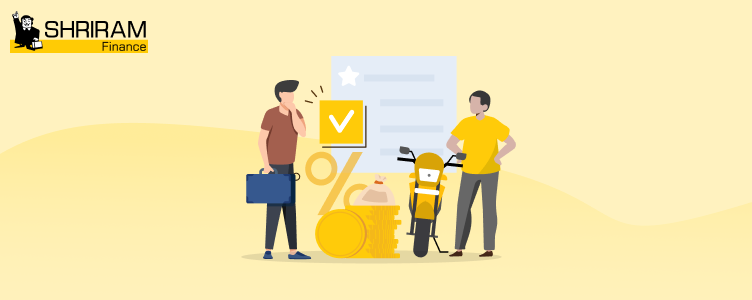
Over the past couple of years, India has experienced a significant change toward digital traffic enforcement. Drivers can no longer expect to be handed a physical challan by the traffic police. With traffic surveillance cameras and automatic computerized systems in place for issuing challans, the majority are issued online. Subsequently, it is important for two-wheeler owners to be alert and knowledgeable.
As of 2026, every rider must know how to do a bike challan check online. Whether you missed a signal by mistake or crossed a stop line unknowingly, the challan may already be uploaded to the system. If left unpaid, it can lead to penalties or even vehicle seizure in some cases. Checking online saves time, avoids unnecessary trouble, and keeps your record clean.
This simple habit also gives you better control over your riding record. You don’t need to visit the RTO or wait for any notice. Just a few clicks on your phone or laptop and you can know your challan status. The process is user-friendly and works across platforms.
This guide will take you through everything you need to know, from checking challans with your bike number, registration number or driving licence, to how to pay your fine online, and what to do if you think the challan is incorrect. In summary, it will get you up to speed with the bike challan check online in 2026.
By staying updated, you avoid surprises and stay on the right side of the law.
What is an E-Challan? Understanding the Digital Traffic Fine System
An e-challan is a digital version of a traffic fine. It is issued by the traffic police when a traffic rule is broken. Unlike traditional challans, which were given on paper and required physical presence, an e-challan is generated electronically. This means it can be created, tracked, and paid online without visiting any office.
The system uses surveillance cameras, handheld devices, and digital records. When a violation is recorded-like jumping a red light or riding without a helmet—the footage or photo is checked. If the violation is confirmed, the system automatically generates an e-challan for two-wheelers. The fine is then linked to the vehicle’s registration number and uploaded to the central database.
This system is already in use across most cities and states in India. It helps traffic authorities enforce rules more efficiently. It also reduces human errors and stops on-road arguments between officers and riders. Once the e-challan is issued, the vehicle owner can see the details online.
Some common violations that can lead to an e-challan include:
- Riding without a helmet
- Parking in a no-parking zone
- Over-speeding
- Using a mobile phone while riding
- Not carrying proper documents like driving licence or RC
To stay updated, riders should regularly check their online challan status. This helps avoid late fees and legal issues. The system is updated in real time, and most challans can be viewed within a day or two of the violation.
In 2026, knowing how e-challans work is a part of being a responsible rider. It’s not just about avoiding fines. It’s also about understanding your duties on the road and staying informed. The more aware you are, the safer and smoother your ride will be.
Benefits of the E-Challan System
The shift to digital fines has made traffic rule enforcement more efficient. The e-challan for two-wheelers brings many advantages for both riders and authorities.
- No need to carry cash or visit a traffic office. You can pay fines online from anywhere.
- Easy access to your online challan status at any time using your vehicle number.
- Reduces the risk of on-the-spot arguments with traffic police.
- Helps maintain a digital record of offences for better personal tracking.
- Promotes safer driving habits by alerting riders to their violations.
- Speeds up the penalty process and reduces paperwork.
- Supports transparency with full details of the offence, date, time, and location.
- Makes it easier to settle fines promptly, avoiding late charges.
These benefits make the e-challan for two-wheelers a practical and reliable system.
Key Details Captured in a Bike E-Challan
An e-challan for two-wheelers includes several important details. These help you understand why the fine was issued and what action is needed. It also ensures fairness and transparency in traffic enforcement.
Here’s what a typical bike e-challan contains:
- Type of violation. This tells you what rule you broke—like jumping a signal, riding without a helmet, or speeding.
- Date and time of the offence. This helps you recall the incident and confirm the event.
- Location of the violation. The exact place where the rule was broken is clearly mentioned.
- Amount of fine. The total penalty you need to pay is shown in rupees.
- Vehicle number and type. This ensures the challan is correctly linked to your bike.
- Photo or video evidence. Many e-challans now include images or clips from CCTV cameras for proof.
Check all these details carefully. Make sure the vehicle number is yours. Confirm that the date and location match your movements that day. If you find an error, report it on the official challan portal.
Understanding your e-challan for two-wheelers helps you stay informed, avoid confusion, and take the right steps on time.
How to Check Your Bike Challan Status Online
Checking your online challan status is easy and helps you avoid surprises. Here are the steps to follow:
1. Use your vehicle number
- Visit the Parivahan portal and pick the challan section. Select the "Search by vehicle number" option.
- Enter your bike number and the captcha code. Click "Search."
- You will see all pending challans linked to your vehicle.
2. Search by challan number
- If you have a challan reference, choose "Search by challan number."
- Enter the number and captcha. Click "Search" to view details.
3. Use your driving licence number
- Some portals allow challan lookup using your driving licence.
- Choose the licence search option. Input your licence number and captcha.
- This shows any fines linked to your licence.
4. Interpret the challan details
- You will see date, time, location, and violation type.
- The fine amount is clearly listed. You may also find a link to view photographic evidence.
- Take time to check the information. Confirm it matches your details.
5. Pay the fine online
- Once you confirm, click "Pay Challan."
- You can use debit, credit, or UPI options. You will receive a payment receipt. Keep it safe.
6. Use state portals and apps
- Many states like Delhi, Maharashtra, and Karnataka have their own portals and apps.
- These work like the Parivahan portal. You can search by vehicle number, challan number, or licence.
- Apps often offer mobile alerts and payment reminders.
Tips for smooth bike challan check online
- Use a desktop browser for full functionality.
- Clear your browser cache if the site loads slowly.
- Save the challan or screenshot it for your records.
- Check regularly—challenges are usually uploaded within 24–48 hours of the violation.
Knowing your online challan status can help you avoid late fees. It keeps your riding record clean and ensures you stay informed about any traffic violations. With these simple steps, you stay in control and drive responsibly.
How to Pay Your Bike Challan Online
Paying an e-challan for two-wheelers is simple and can be done from your phone or computer. In 2026, most states offer multiple options, making it easy for every rider to clear fines without queues.
Follow these steps to pay your e-challan for two-wheelers quickly and safely:
- Go to the official Parivahan e-Challan portal or your state transport department’s website.
- Enter your vehicle number, challan number, or driving licence number to check for any pending challans.
- A list of active challans will appear on the screen. Select the one you want to pay.
- Check the fine amount shown and click on the “Pay Now” button.
- Choose a payment method. You can use UPI apps, debit/credit cards, net banking, or digital wallets.
- Complete the transaction. Wait for the confirmation screen.
- Once the payment is successful, download or take a screenshot of the digital receipt for your records.
You can also use state mobile apps or trusted third-party apps to pay the e-challan for two-wheelers. These platforms often send reminders and let you track past payments. Always double-check the challan number, amount, and vehicle details before making a payment.
Offline Methods to Check and Pay Bike Challans
Offline options are still available for those who prefer them. You can use them to check and pay your bike challan in person.
Visit local traffic police station or RTO office
- You should take with you your vehicle registration number or driving licence.
- Ask the officer for current or past challans.
- They will print the challan details for you.
Go to designated banks
- Some banks help with challan payment counters.
- Show your challan printout or vehicle number.
- Pay in cash, by card, or via demand draft.
- The bank will issue a receipt immediately.
Use regional transport offices that offer counters
- Many RTOs have counter services for challan enquiry and settlement.
- Provide your licence or vehicle number.
- You may have to fill out a simple form.
- The staff will tell you if any challans are pending.
Required documents for offline challan check and payment:
- Vehicle registration certificate or a copy
- Driving licence (original or valid copy)
- Copies of any challan notices you received
- Valid photo ID (Aadhaar, passport, voter ID)
- Payments in cash, card, or bank cheque as per office rules
When to use offline methods?
- When internet access is not available
- If the digital portal is down
- To get help from staff in case of discrepancies
- For those who prefer in-person service
Offline methods can take longer. Lines may form during peak hours. But they offer reassurance and guidance, especially if you have questions or issues. Using these routes keeps you compliant and avoids bigger problems later—even in the digital age of 2026.
What Happens If You Don’t Pay Your E-Challan?
Ignoring an e-challan for two-wheelers can lead to more trouble than just a pending fine. As of 2026, most states have stricter follow-ups for unpaid challans.
- If you delay or miss the payment:
- You may be charged an additional late fee.
- Repeated non-payment can lead to a court summons.
- In some cases, the traffic police may suspend your driving licence.
- Your vehicle can be blacklisted, making renewal of documents difficult.
There are legal consequences too. Once a challan is registered, it becomes a public offence. If left unpaid for long, the case may be forwarded to a local traffic court. A notice might be sent to your registered address. Failing to appear can result in a warrant or further penalties.
Unpaid challans can also affect your insurance. If your policy is up for renewal, the insurer may ask for a clear challan record. Claims may be delayed or rejected if violations remain unresolved.
Always check your online challan status regularly. It helps you avoid last-minute surprises. Paying on time not only keeps your record clean but also prevents unnecessary stress. A timely response ensures your two-wheeler stays road legal and fully covered.
How to Dispute or Correct a Wrong E-Challan
There may be occasional cases where the system issues e-challans for two-wheelers by accident. This may be the result of a camera error, an error on the number plate, or the vehicle getting tagged incorrectly. You may also receive a challan even when you are not at the location of the alleged violation.
If you receive such a challan, it is important to take the next step and not simply ignore it. You should first start by confirming through your online challan status the details it has. Verify the date, place, and attached image proof that the challan has. If it does not seem to be correct at all, then you can raise a dispute.
Follow these steps to challenge a wrong challan:
- Go to the official Parivahan e-Challan portal.
- Select the “Raise Dispute” or “Complaint” option
- Fill in the challan number, vehicle details, and your contact information.
- Clearly explain the issue in the remarks box.
- Upload proof to support your claim. This can include GPS logs, dashcam footage, or parking receipts.
- Submit the complaint and note down the reference number.
After you submit, the traffic department will assess the complaint. They may contact you for further information. Generally, it can take anywhere from 7 to 15 working days for a resolution.
Continue to check the complaint status with the reference number. If there is no response, follow up with an email or contact the local traffic office. Staying alert and acting quickly will help prevent wrongful penalties from being issued to you and maintain a clear driving record.
Tips for Managing and Avoiding Bike Challans
Staying ahead of your challan status is easy if you follow a few smart habits. First, sign up for SMS or email alerts through the Parivahan portal or your state’s traffic website. This way, you get notified the moment an e-challan for two-wheelers is issued.
Make it a habit to check your online challan status once a month. Set a reminder on your phone. It helps you spot any issues early. Keep a folder, digital or paper, where you save challan receipts and payment proofs. This comes in handy if there’s ever a dispute.
Most importantly, ride safely. Follow traffic rules, wear a helmet, and avoid using your phone while riding. These small things prevent most violations.
Lastly, ensure your documents are always valid—insurance, PUC, RC, and driving licence. Keeping them updated means fewer chances of getting fined at checkpoints.
Conclusion
In 2026, digital systems have made traffic management more transparent and accessible. For two-wheeler riders, regularly checking the online challan status is not only convenient but also necessary for staying compliant with traffic laws.
Managing an e-challan for two-wheelers online reduces the risk of late fees, legal complications, or repeated violations. It also allows you to respond quickly in case of any errors or disputes. Ensuring that all fines are paid on time supports both road safety and administrative efficiency.
Maintaining valid documents such as your driving licence, registration certificate, insurance, and pollution certificate plays a key role in avoiding penalties. A clean driving record also reflects responsible ownership and improves your long-term credibility on the road.
Use the available digital platforms to monitor and clear your dues with ease. Simple steps, when taken regularly, can lead to a smoother, more responsible riding experience.
FAQs
How can you check traffic challans online for your bike?
You can visit the Parivahan portal or your state’s transport website and enter your vehicle number, challan number, or driving licence number to check your challan details.
What details are needed to search for a challan?
You need either the bike’s registration number, challan number, or your driving licence number to search for a challan.
Can challans be paid online?
Yes, traffic challans can be paid online through the Parivahan portal, state transport websites, or authorised mobile apps using UPI, cards, or net banking.
What to do if you want to contest a challan?
You can dispute the challan by submitting a complaint on the Parivahan portal with supporting proof such as images or documents and track the resolution online.
Enjoyed the Article? Share it with someone who might too!
- Share Via


 Previous Article
Popular Tags
Recent Articles
How to Check Your Bike Challan Online - 2026 Edition
Women-Centric Bikes with Low Seat Height
Electric Bikes Under ₹1.5 Lakhs in India
Top Fuel Tank Capacity Bikes in India
Yamaha EC-06 India Price, Range and Real-World Value
Honda CB500 vs CB350
Why Yamaha R15 Remains a Top Choice?
Understanding Torque in Motorcycles Technical Overview and Practical Applications
Hero Vs Honda-How to Decide What Fits Your Needs
Honda CB350 vs CB350RS vs CB350C