


Maintenance Tips for Electric Two-Wheelers
- Posted: 24th, Feb 2026
- Updated on: 24th, Feb 2026
- Category: Finance
- Written by: Shriram finance

 794
794 13 Min
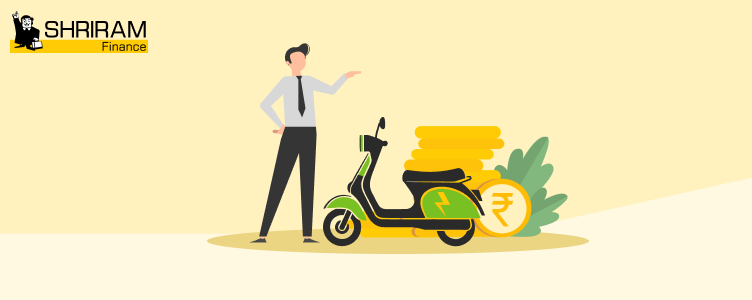
Electric two-wheelers are becoming more common on Indian roads. With rising fuel prices and growing interest in cleaner transport, many riders are shifting from petrol to electric bikes and scooters. Models are now available in every budget range. The electric segment meets the needs of both working professionals and students.
However, electric two-wheelers require maintenance just like any other vehicle. Safer rides, longer battery life, and smooth operation are all made possible by proper maintenance. Even though they require less maintenance than petrol-powered bikes, neglecting routine inspections can result in unforeseen expenses or problems. Many new owners think electric vehicles need little attention, which is not true. Regular inspection and simple habits can go a long way.
This guide shares practical advice for daily users. Whether you ride daily or occasionally, these electric two-wheeler maintenance tips will help you keep your vehicle in good condition. You don’t need to be an expert or own tools. Most tasks are basic and can be done at home or during a routine service.
We’ll cover battery care, software updates, tyre checks, and more. Some parts are similar to petrol bikes. Others, like the electric motor or charging system, need special attention. We also explain why some habits-like full charging or leaving the scooter unused for weeks-can shorten battery life.
In 2026, the electric two-wheeler market is maturing fast. Riders now expect more range, better performance, and long-term value. Not only do such electric two-wheeler maintenance tips help keep your two-wheeler running in excellent shape, but they also enhance its market value if ever you want to sell it. This reselling factor has almost become a must-have feature in this day and age when new models are rolling in practically every month.
Let us now start with the basics that every owner of an electric two-wheeler should know in India.
Why Maintenance Matters for Electric Two-Wheelers?
Many people believe electric two-wheelers are maintenance-free. It is untrue, though. Although most maintenance gives way to a lesser burden than those of gasoline bikes, it remains necessary. Failing to carry out proper checks can cut the battery life or cause performance problems.
One important reason, therefore, for maintaining your EV is the battery. That's the heart of your vehicle. Bad charging practices or extreme temperatures can endanger its functioning. Good battery maintenance for e-bikes maintains the range almost consistent while delaying the time when it can be expensive to acquire a new one. It also delays the need for a replacement, which can be expensive.
Caring for electric bikes also means checking brakes, tyres, and software. Since there’s no engine oil or clutch, many forget these basic parts. Worn-out tyres or loose brakes can risk your safety. Daily checks keep the ride smooth and must be done for the high traffic areas of cities.
Electric motors also need care. They don't need oil, but the performance can be affected by dirt and water. Cleaning and protecting the wiring of the motor area will greatly help in avoiding hassle during the rainy season. Most electric models, unlike petrol bikes, have smart features. These require sensors and apps. Not updated or monitored leaves certain aspects not working properly.
Another benefit of maintenance is cost saving. With proper care, your scooter will last longer and require fewer repairs. This lowers your monthly running costs. You also get better resale value if you decide to upgrade later.
Many riders think they only need to charge the battery and ride. But like any machine, electric two-wheelers need attention. Dust, rough roads, and weather can all affect different parts. Regular maintenance prevents small problems from turning into big ones.
In 2025, more Indians are choosing electric two-wheelers for their low emissions and running costs. But to enjoy these benefits, riders must focus on proper care. Whether it's battery maintenance for e-bikes or tyre checks, each step helps your EV stay reliable, safe, and efficient.
Battery Care for Your Electric Two-Wheeler
The battery is the most important part of an electric bike or scooter. A well-maintained battery gives better range, smoother performance, and keeps you safe on the road. Caring for electric bikes starts with proper battery care. It is simple but must be done regularly.
Here are some essential tips for daily and long-term battery care:
Charge the battery the right way
- Always use the charger provided by the manufacturer. Avoid third-party chargers, as they can damage the battery or reduce its life.
- Do not wait until the battery is fully drained. It is better to charge when it drops below 30%.
- Do not overcharge. Remove the plug once it reaches full charge.
Avoid extreme temperatures
- Batteries do not work well in very hot or cold weather. Keep your vehicle in a shaded or covered area.
- If you’re not using the bike for a few days, avoid parking it under the sun or in a damp place.
- For longer storage, keep the battery charged between 40% and 60%.
Check the battery regularly
- As part of routine electric scooter upkeep, open the battery case and check for signs of swelling or leaks.
- Clean the battery terminals using a dry cloth. Do not use water or chemicals.
- If you spot rust, damage, or any odd smell, get it inspected at a service centre.
Know when to replace the battery
- Most electric two-wheeler batteries last between 3 to 5 years.
- If your range drops suddenly or charging takes longer, it may be time for a replacement.
- Always choose a battery that meets the bike’s original specifications.
By following these simple steps, you can extend battery life and avoid sudden breakdowns. Good battery care also supports safe riding and better performance. Whether for short trips or daily commutes, regular electric scooter upkeep ensures that your vehicle stays reliable across seasons.
Cleaning and Protecting Your Electric Two-Wheeler
Keeping your electric two-wheeler clean is just as important as charging it. A clean scooter not only looks good but also performs better in the long run. Regular cleaning prevents dust and grime from damaging the electrical parts. It is a simple yet effective way to follow proper electric two-wheeler maintenance tips.
Begin by washing off loose dirt using a soft cloth or sponge. Avoid high-pressure hoses or jet sprays. These can force water into areas that should stay dry. Always keep water away from the motor, battery, and display panel. Instead, use a damp cloth to gently wipe those parts.
Choose mild or eco-friendly cleaning liquids. Many household cleaners are too strong and can harm plastic or rubber parts. A mix of water and a few drops of liquid soap is usually enough. After cleaning, wipe everything dry with a soft cloth. Never leave moisture near the charging port or electrical wiring.
Protecting the battery area is also key. One of the most important battery maintenance for e-bikes is keeping the battery compartment clean and dry. After cleaning, double-check that the battery slot is dry before inserting the battery back in. Water or dirt in this area can affect charging or cause rust over time.
Also, check the tyres and brakes while cleaning. Remove any stones or debris stuck near the wheel rims or disc area. Dust in these parts can reduce braking power and damage the tyres.
If your two-wheeler is parked outside, consider using a waterproof cover. This protects it from rain, sun, and pollution. Over time, strong sunlight can fade paint and damage the seat. A cover helps keep it clean for longer and saves time on daily maintenance.
Cleaning your vehicle may not seem like a big task. But done regularly, it supports long-term performance and safety. Whether it’s removing dirt or protecting key parts, these simple habits form a solid base for following the best electric two-wheeler maintenance tips.
Tyre Maintenance and Safety
One of the most crucial components of your electric two-wheeler is the tyre. They support the weight of the car and the rider, give the vehicle traction, and aid in the motor's smooth operation. In addition to being safer, high-quality tyres also lessen battery and motor wear. Tyre care is just as important as battery maintenance for e-bikes or routine cleaning.
Follow these simple tyre maintenance tips:
Check tyre pressure regularly
- Use a pressure gauge at least once a week.
- Follow the recommended tyre pressure given in the user manual.
- Increased low pressure results in greater rolling resistance and poor battery efficiency.
- Overinflated tyres lessen traction but increase risks of slipping, especially on wet road surfaces.
Look for signs of wear
- Tyres, over time, wear out naturally.
- Check the tread depth. It should not be too shallow since it might not grip the road properly.
- Check for cracks on side walls as well as cuts in the rubber.
- Uneven wear may point to problems with alignment or load balance.
Inspect for punctures or foreign objects
- Small nails or glass might stick to the tread.
- Even though they may not cause immediate puncture, they can develop leakages over long periods.
- Carefully extract them and have the tyre repaired if necessary.
- Do not ride on a damaged tyre. It puts stress on the motor and affects range.
Avoid rough roads when possible
- Potholes and broken roads increases the chances of tyre damage.
- Riding smoothly helps maintain both tyre life and overall electric scooter upkeep.
Change tyres on time
- Even if the tread looks fine, rubber hardens with age.
- As a general rule, tyre replacement should take place every 3 to 4 years for maximum safety and performance.
Keeping the tyres well-maintained makes the ride smooth and keeps the battery running efficiently. They also improve braking and stability. Just like battery maintenance for e-bikes, tyre care is a habit that pays off in the long run.
Brake System and Moving Parts
One of the most common safety features that any vehicle can have is brakes. This makes working brakes one of the most critical components of an electric two-wheeler when it comes to safe riding in the city and daily rides. Regular checks are a very critical thing where caring is concerned for electric bikes.
Start by checking the brake pads every two weeks. If the pads are worn too thin or make a screeching sound, they need replacing. Worn-out brake pads reduce stopping power and increase risk, especially in wet weather. If you notice the brakes feel loose or take longer to stop, get them checked at a service centre.
Also, ensure that the levers are stiff yet responsive to touch. They shouldn't feel spongy or too tight. If they do, there could be a need for adjustment or replacement of brake cables. Like any other component of a modern electric scooter, disc brakes increasingly find application in the latest electric models. Therefore, disc brakes also need regular inspection for rust or oil stains. Clean them with the use of a soft, dry cloth. Never spray water near the disc.
Now look at the moving parts. These include the chain (if your scooter has one), suspension joints, and wheel bearings. These parts should be lightly lubricated. Use only recommended lubricants. Avoid over-oiling as it attracts dust and dirt. This increases wear over time.
Listen for squeaking sounds while riding. These often mean a part is dry or worn out. You might also feel the ride becoming less smooth. That’s a sign that the suspension or wheels need attention.
Lubricate your electric scooter once every 30 to 45 days. If you ride daily or on rough roads, you may need to do it more often. Regular lubrication reduces strain on the motor and improves the feel of the ride. It also supports good battery maintenance for e-bikes, since smoother parts reduce power loss.
Keeping your brake system sharp and your moving parts clean makes every ride safer and more efficient. This habit is central to caring for electric bikes in 2025.
Routine Maintenance Schedule and Essential Tools
A simple routine will keep your electric two-wheeler up and running. It will also help prevent repair emergencies later with upkeep and maintenance of the electric scooter.
Here’s a basic schedule:
Daily
- Check the charging port and battery level.
- Check tyres for low pressure or damage.
- Make sure the brakes react properly.
Weekly
- Use a gentle cloth to wipe down the body and lights.
- Check all of the indicators, horn and lights.
- During rides, observe if there are any odd noises.
Monthly
- Inspect brake pads and cables.
- Clean and lightly oil moving parts.
- Perform basic battery maintenance for e-bikes-look for loose wires or dust build-up.
Annually
- Get a full service from an authorised centre.
- Update software if your scooter has smart features.
- Replace worn tyres or brake pads as needed.
Basic tools you should keep at home:
- Tyre pressure gauge
- Chain lubricant or dry lube
- Multimetre to check battery voltage
- Microfibre cloths and mild cleaners
- Screwdrivers and small spanners
Finally, you may want to keep a simple notebook or a digital log to note service dates, parts replaced, or any changes in performance. This is helpful in maintaining electric bikes as well as raising warranty claims.
Consistent care keeps your scooter safe, smooth, and ready for every ride.
Common Mistakes to Avoid
Many electric two-wheeler problems stem from fairly minor mistakes that accumulate over time. Avoiding these minor errors prolongs the life of your vehicle and translates into efficient performance.
- Overcharging the battery: Regularly leaving the battery on charge overnight could shorten its lifespan. Disconnect once fully charged.
- Fully draining the battery: Letting the charge drop to 0% frequently will harm battery health. Keep it between 20% and 80% for daily use.
- Ignoring warning lights or sounds: Blinking indicators or odd noises can signal early issues. Check your manual or get it inspected.
- Neglecting tyre pressure: Low tyre pressure affects range, grip, and ride quality. Check and top up regularly.
- Not checking brakes: Worn-out brake pads diminish safety. Inspect the brake pads for damage and get them replaced in time.
- Using high-pressure water or harsh chemicals: High-pressure wash could hurt the sensitive parts. Use a damp cloth and a mild cleaner to clean safely.
- Not inspecting cables and connectors: Poor performance can result from loose or unclean connections. Make sure they are clean and securely fastened.
- Ignoring regular inspections: Delaying monthly or yearly maintenance can only increase expenses and hazards over time.
Conclusion
Regular maintenance is essential for keeping your electric bike running smoothly. Maintenance keeps up with the running of your electric bike. Every single maintenance step, however small, keeps tyre pressure, checking status, properly charged batteries, etc., working toward improving performance and safety. Gentle cleaning of scooters, regular cable inspections, and warning signs should become part of e-bike battery maintenance.
These few habits prevent long-term repair costs and give you confidence on the road. Every proactive maintenance effort ensures good performance and safety of your EV. Taking care of an e-bike battery will extend its life, ensuring its reliable use over the coming days.
FAQs
How is maintenance for electric two-wheelers different from petrol bikes?
Electric two-wheelers have fewer moving parts, no engine oil, and no clutch, so maintenance is simpler and less frequent than for petrol bikes.
What are common maintenance tasks for electric bikes?
Key tasks include checking tyre pressure, inspecting brakes, cleaning the vehicle, tightening cables, and regular battery maintenance for e-bikes.
How to care for electric bike batteries?
Avoid overcharging and full discharges. Keep the battery clean, store it in a cool dry place, and charge it regularly without leaving it plugged in too long.
Are electric two-wheelers cheaper to maintain?
Yes. With fewer parts and no fuel engine, caring for electric bikes is usually more affordable than maintaining petrol bikes.
Enjoyed the Article? Share it with someone who might too!
- Share Via


 Previous Article
Popular Tags
Recent Articles
Maintenance Tips for Electric Two-Wheelers
Understanding Torque in Motorcycles Technical Overview and Practical Applications
Best Bikes for City Commutes
Where to Buy Second-Hand Bikes in Chennai: Your Complete Buying Guide

How to Check Your Bike Challan Online - 2026 Edition
Royal Enfield Classic 350 vs. Bullet 350 – Choosing What Fits You
EV Bike Range Comparison 2026: Complete Guide to Electric Bike Mileage in India

How to Improve Bike Mileage: 10 Proven Tips
Bikes With the Biggest Fuel Tanks for Longer Distance Travel

Impact of Weather Conditions on Bike Performance and How to Prepare