


Understanding Torque in Motorcycles Technical Overview and Practical Applications
- Posted: 20th, Feb 2026
- Updated on: 20th, Feb 2026
- Category: Finance
- Written by: Shriram finance

 1.2k
1.2k 14 Min
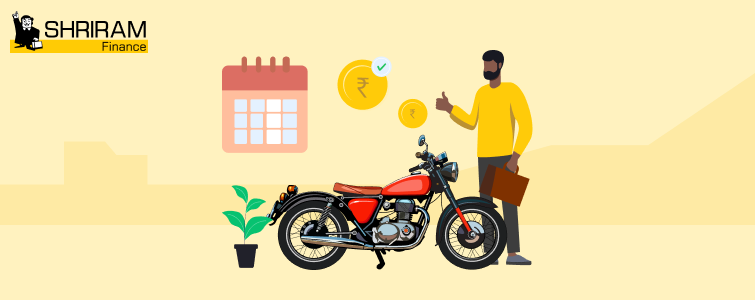
When comparing bikes, most riders zero in on horsepower, forgetting about torque. That’s the figure that decides how easily your bike moves from a standstill. Missing it can leave you with a machine that feels out of place in India’s stop‑start traffic.
Bike torque explained: it’s the twisting force your engine makes at the crankshaft. Horsepower may grab headlines, but torque decides how quickly the bike reacts when you open the throttle, whether you’re pulling away in traffic, climbing hills, or overtaking.
What Torque Actually Means for Motorcycles
Engineers measure torque in Newton-metres (Nm), representing rotational force at a specific distance from the rotation centre. A 15 Nm rating means the engine can apply 15 Newtons of force at a one-metre radius from the crankshaft centre—though this technical definition matters less than understanding how it affects riding.
Many riders mix up torque and horsepower because they do different jobs. Torque gives the instant pull you feel right off the line, while horsepower measures how much work the engine can keep doing over time. Picture taking off at a traffic light—torque decides how fast you move initially, horsepower keeps you going once you’re up to speed.
Indian riding conditions emphasise torque importance differently than Western markets. Stop-and-go traffic, frequent overtaking on crowded roads, and carrying additional passengers or cargo all demand strong torque delivery at usable RPM ranges rather than peak horsepower figures.
Immediate Benefits of Understanding Torque
Riders who grasp torque characteristics make better purchasing decisions:
- City commuters benefit from engines producing peak torque between 3,000-5,000 RPM • Highway tourers need consistent torque delivery across 4,000-7,000 RPM ranges
- Load carriers require broad torque bands to handle varying weight conditions • Budget-conscious buyers can optimise fuel efficiency through appropriate torque selection
Breaking Down Torque vs Horsepower Differences
The impact of torques becomes clearer when comparing identical displacement engines with different characteristics. A 200cc engine optimised for low-end torque might produce 18 Nm at 3,500 RPM, while another 200cc engine designed for high-RPM performance generates the same 18 Nm at 7,000 RPM.
| Performance Aspect | Low-RPM Torque Engine | High-RPM Torque Engine |
| Traffic light acceleration | Excellent | Moderate |
| Highway overtaking | Good | Excellent |
| Fuel efficiency (city) | Very good | Average |
| Maintenance frequency | Standard | Higher |
| Rider skill requirement | Beginner-friendly | Intermediate |
These engines feel completely different despite identical peak torque figures. The low‑RPM engine picks up right away when you twist the throttle, but the high‑RPM motor needs a downshift and more revs to match that kind of pull.
Bike performance metrics reveal why mathematical relationships between torque and horsepower matter practically. The formula Horsepower = (Torque × RPM) ÷ 5,252 shows why the two curves meet at 5,252 RPM on a dyno chart, a detail engineers find exciting but most riders don’t think about.
Real-world implications matter more than formulas. Motorcycles with strong low-end torque feel responsive in traffic, require fewer gear changes, and typically achieve better fuel economy during urban riding. A high‑revving torque motor gives its best on open roads, yet it can seem slow to react in crowded city riding.
How Engine Design Affects Torque Production
Stroke length significantly influences torque characteristics. Longer stroke engines—where pistons travel greater distances—typically generate more torque at lower RPM compared to short-stroke designs. It’s the reason cruisers with those slow, stretched‑out strokes deliver so much grunt down low.
Combustion chamber design affects how efficiently engines convert fuel into rotational force. Modern engines use sophisticated shapes, valve arrangements, and compression ratios to optimise torque delivery across different RPM ranges while meeting emissions standards.
An engine’s torque profile depends on many things:
- Stroke‑to‑bore ratio – Longer strokes often make for stronger low‑rev pull.
- Valve timing – Decides the timing of air intake and exhaust for better breathing.
- Compression ratio – Higher compression usually adds torque.
- Intake and exhaust – Efficient airflow means better torque delivery.
- Fuel injection mapping – Controls how much fuel gets in and when.
Variable valve timing is now common, giving engines both bottom‑end grunt and top‑end punch. Some turbocharged motors, though rare on bikes, keep torque steady across a wide rev band by pushing in extra air.
Torque Characteristics Across Motorcycle Categories
Bike makers design engines with specific purposes in mind, so each category has its own torque feel. Knowing these differences helps riders pick a bike that truly fits their everyday needs instead of just chasing big CC or horsepower numbers.
Commuter motorcycles prioritise fuel efficiency and ease of riding, typically producing peak torque between 3,000-4,500 RPM. This characteristic reduces gear changing frequency during urban riding while providing adequate acceleration for traffic merging and overtaking slower vehicles.
| Category | Displacement | Typical Torque | Peak RPM | Primary Use |
| Scooters | 100-150cc | 8-12 Nm | 6,000-7,500 | Urban commuting |
| Commuters | 100-200cc | 10-18 Nm | 3,000-5,000 | Daily transportation |
| Cruisers | 300-800cc | 25-60 Nm | 2,500-4,000 | Relaxed touring |
| Sport bikes | 150-400cc | 15-35 Nm | 6,000-10,000 | Performance riding |
| Adventure | 250-1000cc | 20-90 Nm | 4,000-7,000 | Versatile usage |
Cruiser motorcycles emphasise torque delivery at very low RPM, often producing substantial pulling power from 2,000 RPM upward. This trait makes highway cruising easier, letting you stay in top gears without fussing over gear changes for hills or resistance from the wind.
Sport motorcycles concentrate torque in higher RPM ranges, sometimes sacrificing low-end response for peak performance capabilities. This setup works well for track days and fast highway rides, but in stop‑and‑go traffic, constantly keeping the engine at high RPMs can get tiring.
Adventure motorcycles attempt balancing act, providing reasonable low-end torque for technical riding situations while maintaining mid-range and high-RPM performance for highway touring. This compromise approach works well for versatile usage but rarely excels in any single area.
Electric motorcycles completely rewrite traditional torque delivery concepts. Electric motors produce maximum torque instantly from zero RPM, creating unprecedented acceleration that internal combustion engines cannot match through conventional design approaches.
Real-World Torque Applications in Indian Conditions
Indian traffic conditions create unique torque requirements that differ from Western markets. Dense urban traffic, frequent stops, poor road surfaces, and varying altitudes all influence optimal torque characteristics for different regions and usage patterns.
Mumbai's stop-and-go traffic benefits from strong low-end torque delivery, enabling quick acceleration from traffic lights without excessive gear changing. Motorcycles producing peak torque below 4,000 RPM typically feel more responsive and less fatiguing during long commutes through congested areas.
Hill station riding demands different torque characteristics. Routes through Western Ghats or Himalayan regions require consistent mid-range torque to maintain speed on long climbs without overheating engines or excessive fuel consumption. Altitude reduces air density, effectively decreasing available torque by 10-15% compared to sea-level performance.
Practical Torque Requirements by Usage
Different riding scenarios emphasise various torque delivery aspects:
- City commuting: Strong torque below 4,000 RPM reduces fatigue and improves fuel efficiency
- Highway touring: Consistent torque between 4,000-6,500 RPM enables relaxed cruising
- Mountain riding: Broad torque band from 3,000-7,000 RPM handles altitude variations
- Load carrying: Additional 20-30% torque capacity compensates for passenger/cargo weight
- Monsoon riding: Controlled torque delivery prevents wheelspin on wet surfaces
Rural road conditions often combine multiple challenges: poor surfaces, steep gradients, and unpredictable obstacles. Motorcycles with broad, flat torque curves handle these varied demands better than engines with narrow, peaky power delivery.
Economic Impact of Torque Selection
Ownership costs aren’t just about the price you pay upfront. Torque, through its effect on fuel use, maintenance schedules, insurance, and resale value, keeps shaping your expenses. Knowing this makes it easier to judge what the bike will really cost over time.
Mileage often depends on where an engine makes its torque. Bikes that give solid pulling power at regular riding speeds don’t need high revs or constant downshifts, so they burn less fuel.
Maintenance costs can vary based on torque characteristics and how riders utilise available power. Keeping an engine within its ideal torque range reduces wear and tear. Bikes that are always over‑revved tend to need servicing more often.
| Torque Profile | Purchase Cost | Annual Fuel Cost | Maintenance Cost | Insurance Premium | 5-Year Depreciation |
| Low-end focused | ₹80,000 | ₹12,000 | ₹3,500 | ₹4,200 | 60% |
| Mid-range broad | ₹1,20,000 | ₹15,000 | ₹4,800 | ₹5,500 | 55% |
| High-RPM peaky | ₹1,80,000 | ₹18,000 | ₹6,200 | ₹7,800 | 65% |
| Electric instant | ₹1,50,000 | ₹8,000 | ₹2,800 | ₹5,200 | Unknown |
Insurance companies consider engine specifications when calculating premiums, with high-torque motorcycles sometimes attracting higher rates due to perceived increased accident risk. However, this varies significantly among providers and specific models.
In the used bike market, torque matters. Machines praised for solid, usable torque generally fetch higher resale prices than ones with poor torque delivery or shaky reliability records.
Interpreting Manufacturer Torque Specifications
Motorcycle brochures typically list peak torque figures alongside corresponding RPM values, such as "20 Nm @ 4,500 RPM." While this information provides starting points for comparison, peak figures reveal limited information about overall engine behaviour across different operating conditions.
Two engines producing identical peak torque can demonstrate vastly different characteristics at other RPM ranges. One might generate 15 Nm at 2,500 RPM while another produces only 8 Nm at the same speed, despite both achieving 20 Nm peaks at higher RPM.
Gear ratios decide how much of the engine’s twist actually reaches your back wheel. In first gear, a 3.5:1 ratio can boost 20 Nm from the crank to about 70 Nm at the wheel. This multiplication is the reason a bike feels so eager in lower gears, even though the engine torque itself doesn’t change.
Practical Specification Reading Tips
When checking motorcycle specs, numbers alone don’t tell the whole story.
• Peak torque means little without knowing the RPM range where it arrives.
• A wide, flat torque curve usually makes for better real‑world riding than a single high peak.
• For city riding, torque that comes in early matters far more than high‑RPM pull.
• Gear ratios play a big role in how engine torque turns into real acceleration.
• Manufacturer test figures rarely match day‑to‑day riding conditions.
Final drive ratios—the chain and sprocket setup—add another layer. A smaller front sprocket or a larger rear one can give more torque at the wheel, improving pickup, though at the cost of some top‑end speed.
Maintaining Optimal Torque Performance
Regular maintenance directly affects how efficiently engines produce and deliver torque. Ignore the service schedule and your bike won’t run the same. Torque drops, mileage dips, and the engine feels tired. A timely tune‑up keeps it sharp.
Air filtration significantly impacts torque production. Clogged filters restrict airflow to cylinders, creating lean combustion conditions that reduce power output and may cause hesitation during acceleration. Modern bikes with fuel injection are extra picky about airflow—any clog or restriction can quickly affect how smoothly they run.
Engine oil condition affects internal friction levels and component protection. Fresh oil reduces friction losses while protecting bearings and other rotating components that must handle torque loads. Sticking to the oil grade your bike maker recommends keeps the right thickness for smooth torque transfer without slowing the engine down.
Spark plug condition directly influences combustion efficiency and torque production. Worn, carbon-fouled, or incorrectly gapped plugs can significantly reduce combustion effectiveness, resulting in noticeable torque losses across the entire RPM range.
Essential Maintenance for Torque Preservation
Specific maintenance practices help preserve engine torque output:
- Air filter replacement: Every 10,000-15,000km or according to manufacturer schedules
- Engine oil changes: Use recommended grades and change intervals for optimal lubrication
- Spark plug maintenance: Check gaps and condition regularly, replace when worn
- Fuel system cleaning: Periodic injector cleaning maintains proper fuel delivery
- Valve clearance adjustment: Ensures optimal breathing for maximum combustion efficiency
Fuel quality affects torque delivery through combustion efficiency. Poor-quality petrol can cause knocking, forcing engine management systems to retard ignition timing and reduce torque output. Using manufacturer-recommended octane ratings optimises combustion for maximum power production.
Exhaust system condition influences torque delivery, particularly at higher RPM. Restricted exhausts create back-pressure that reduces engine breathing efficiency, while completely unrestricted systems may hurt low-end torque by reducing exhaust velocity.
Safety Considerations with Different Torque Characteristics
Bike performance metrics include safety implications that vary with torque delivery patterns. High-torque motorcycles require different riding techniques compared to engines with gentler power delivery, particularly in challenging weather conditions or when carrying passengers.
Sudden torque application can overwhelm available traction, especially on wet or loose surfaces. Motorcycles with substantial low-end torque require progressive throttle control to prevent rear wheel spin that could lead to loss of control or accidents.
Rider experience level significantly affects ability to safely manage high-torque motorcycles. Inexperienced riders may find engines with strong, immediate torque delivery intimidating or difficult to control smoothly, particularly in traffic or parking situations.
Load carrying affects torque requirements and safety considerations. Additional weight from passengers or cargo increases acceleration distances and changes handling characteristics, requiring riders to adjust throttle applications and braking distances accordingly.
Torque-Related Safety Guidelines
Safe operation of different torque characteristics requires specific approaches:
- High low-end torque: Use progressive throttle inputs, especially in wet conditions
- Peaky high-RPM torque: Maintain appropriate engine speeds for responsive acceleration
- Electric instant torque: Practice smooth throttle control to avoid wheel spin
- Broad torque bands: Take advantage of flexibility while respecting traction limits
- Load carrying: Reduce torque inputs when carrying passengers or heavy cargo
Weather conditions significantly affect safe torque utilisation. Wet surfaces reduce available traction, requiring reduced throttle inputs even from moderate-torque engines. Gravel or loose surfaces demand particular care with torque application to maintain control.
Future Torque Technology Developments
Electric motorcycle adoption accelerates globally, fundamentally changing torque delivery concepts. Unlike internal combustion engines that build torque gradually through RPM ranges, electric motors provide maximum torque instantly from zero RPM, creating entirely different riding experiences.
Advanced internal combustion technologies continue improving torque delivery characteristics. Variable compression ratios, multi-stage turbocharging, and sophisticated engine management systems promise broader, flatter torque curves that combine low-end response with high-RPM performance.
Hybrid powertrains represent emerging technology that could revolutionise motorcycle torque delivery. Combining electric motors with conventional engines allows filling gaps in torque curves, potentially creating seamless power delivery across all operating conditions while maintaining long-range capability.
Emerging Technologies Affecting Torque
Several developments promise improved torque characteristics:
- Variable compression engines: Automatically adjust compression ratios for optimal torque at different speeds
- Electric supercharging: Provides immediate boost response without traditional turbo lag
- Hybrid assistance: Electric motors supplement conventional engine torque when needed
- Advanced materials: Reduce internal friction for improved torque delivery efficiency
- Predictive engine management: Anticipates torque demands based on riding patterns
Artificial intelligence integration into engine management systems could optimise torque delivery based on individual riding styles, traffic conditions, and route characteristics. Such systems might learn rider preferences and automatically adjust power delivery for optimal performance and efficiency.
Regional Torque Considerations for Indian Markets
Different regions within India present varying torque requirements based on geography, traffic patterns, and infrastructure conditions. Understanding these regional differences helps buyers select motorcycles optimised for their specific operating environments.
For intercity rides on the plains, mid‑range torque gives a smooth, relaxed cruise. Up in the mountains, broader torque delivery matters, letting you tackle steep climbs and changing heights without riding the gearbox.
Coastal areas with heavy monsoon rainfall require careful torque management to prevent traction loss on wet surfaces. Motorcycles with controllable torque delivery characteristics prove safer and more manageable during extended rainy seasons.
Urban centres like Delhi, Mumbai, and Bangalore each present unique challenges. Delhi's wide roads and higher speeds favour different torque characteristics compared to Mumbai's dense traffic or Bangalore's elevation changes and traffic congestion.
| Region | Primary Challenge | Optimal Torque Profile | Key Considerations |
| Northern Plains | Long highway distances | Mid-range focused | Sustained cruising capability |
| Western Ghats | Steep climbs | Broad, flat curve | Altitude compensation |
| Coastal Areas | Monsoon conditions | Controllable delivery | Traction management |
| Northeast Hills | Variable terrain | Low-mid range strong | Versatile performance |
| Desert Regions | Heat and sand | Reliable, consistent | Durability emphasis |
Conclusion
With bike torque explained, it’s easier to see why riders should look beyond headline specs. Torque directly affects how the bike accelerates, sips fuel, and holds up over time key things to weigh before buying.
The impact of torques goes far beyond figures on a spec sheet. Choose a bike with the right torque for your needs, and you’ll enjoy better mileage, lower upkeep costs, and a safer, more satisfying ride in everyday conditions.
As technology moves forward from complex combustion engines to electric motors bike performance metrics keep evolving. Yet torque stays a key measure when evaluating how a motorcycle really performs.
Modern Indian motorcycle buyers benefit from understanding torque implications for their specific needs, whether urban commuting, highway touring, or versatile usage across varied conditions. Knowing this helps riders enjoy their bikes more and get the most value out of what they spend.
Future motorcycle technologies promise improved torque delivery through various approaches, from electric instant response to hybrid systems combining multiple power sources. These developments suggest coming motorcycles will offer superior torque characteristics while maintaining or improving efficiency and reliability standards.
Disclaimer: This article is intended for informational purposes only and does not constitute mechanical or financial advice. Please consult authorised service providers or dealerships for specific guidance regarding motorcycle selection, maintenance, or modifications.
FAQs
How does torque differ from horsepower in practical riding situations?
Torque provides immediate acceleration response when opening the throttle, while horsepower determines sustained high-speed capability. City riding emphasises torque importance, while highway cruising benefits more from horsepower.
What torque range works best for Indian city commuting?
Peak torque delivery between 3,000-5,000 RPM typically provides optimal city riding characteristics, offering good acceleration from traffic lights while maintaining fuel efficiency during stop-and-go conditions.
Do higher torque motorcycles always consume more fuel?
Not always. Bikes that deliver enough torque in the rev ranges you actually use tend to save fuel since you don’t have to twist the throttle hard or keep shifting gears for regular riding.
How does altitude affect motorcycle torque output?
Ride into higher elevations, and your engine’s pulling power drops. Expect up to a 10–15% torque loss, making uphill runs and quick overtakes harder than at sea level.
What maintenance practices help preserve engine torque?
Regular air filter replacement, timely oil changes, proper spark plug maintenance, and using quality fuel help maintain optimal torque delivery throughout the engine's service life.
Are electric motorcycles better for torque delivery?
Electric motors provide maximum torque instantly from zero RPM, offering superior acceleration response compared to internal combustion engines. However, range limitations currently restrict broader electric motorcycle adoption.
Enjoyed the Article? Share it with someone who might too!
- Share Via


 Previous Article
Popular Tags
Recent Articles
Hero Vs Honda-How to Decide What Fits Your Needs
Bike Number Plate Rules in India 2026 Guide

The Role of Aerodynamics in Modern Motorcycle Design
Honda SP 125 vs TVS Raider 125: Which One to Buy?

Why do you Need an Anti-Lock Braking System Abs?
Best Bikes for Chennai Traffic
Royal Enfield Mileage Guide – Which Model Offers the Best Fuel Efficiency?
Cheapest Bikes with Disc Brakes Front and Rear

Electric Bikes Under ₹1.5 Lakhs in India
Royal Enfield Electric Bike – Everything We Know So Far