


Electric Bikes Under ₹1.5 Lakhs in India
- Posted: 23rd, Feb 2026
- Updated on: 23rd, Feb 2026
- Category: Finance
- Written by: Shriram finance

 2.9k
2.9k 15 Min
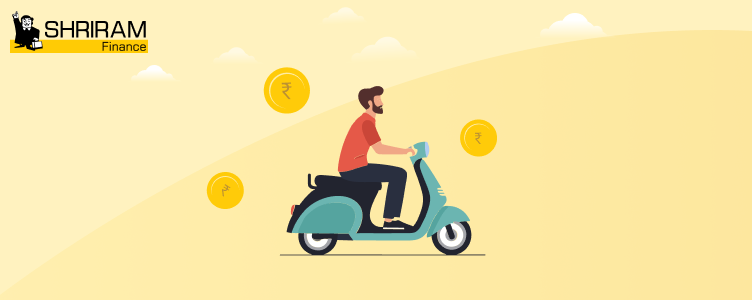
Across India, the move towards electric is picking up speed like never before. With the double whammy of costly fuel and rising interest in greener living, more and more people are now looking at electric bikes under 1.5 lakh as a no-nonsense option to get around town.
Every city biker knows the struggle: one day fuel’s cheap, the next day your daily expenses shoot up. But now, affordable EV bikes are stepping into the limelight. They help you keep your travel costs in check and let you do your bit for the environment too.
There’s a lot of buzz around electric bikes under 1.5 lakh these days, especially as more and more people want to save on fuel and do their bit for the environment. In this guide, we’ll walk you through the best options available across India in 2026. Expect honest comparisons of leading models, clear details on what makes each one special, plus down-to-earth buying advice—whether you’re starting fresh with your first EV or thinking it’s finally time to leave petrol behind.
Top Electric Bikes Under ₹1.5 Lakh in India (2026)
Detailed Model Comparison
| Bike Model | Price Range (₹) | Range per Charge (km) | Top Speed (km/h) | Charging Time | Key Highlights |
| Ola Electric Roadster | 1.05 - 1.40 Lakh | 248 | 90-105 | 6.5 hours | Industry-leading range, app connectivity |
| Revolt Motors RV 400 | 1.14 - 1.24 Lakh | 150 | 85 | 4.5 hours | AI features, swappable battery |
| Oben EV Rorr | 1.50 Lakh | 187 | 100 | 2 hours | Premium design, fast charging |
| TVS iQube | 99,326 - 1.37 Lakh | 75-90 | 78 | 5 hours | Smart features, established brand |
| Hero Electric Optima | 87,117 - 1.09 Lakh | 70-80 | 45 | 4-6 hours | Reliable, extensive service network |
| Vida VX2 | 70,000 - 1.05 Lakh | 70-90 | 65 | 4.5 hours | Most affordable option |
| HOP Electric OXO | 1.34 - 1.63 Lakh | 150 | 85 | 4 hours | Fast charging, modern features |
Note: All performance, range, and efficiency figures mentioned are based on manufacturer claims under controlled testing conditions. Real-world performance varies significantly based on riding conditions, weather, maintenance, individual riding patterns, and battery age.
Premium Options Within Budget
- Ola Electric Roadster is among the notable options the electric bikes under 1.5 lakh segment with its exceptional 248-kilometre range (claimed ranges tested under standard test conditions). This machine is a great match for riders who need to cover serious distances day in and day out, or just anyone who hates being tied down by constant charging. What really stands out is the smartphone app it comes with. You can track the bike’s stats in real time, plan journeys in advance, or see how everything’s running—all from your phone, without even being near the bike. The Roadster's fast-charging capability and extensive service network make it particularly attractive for daily commuters.
- Revolt Motors RV 400 brings artificial intelligence to the affordable EV bikes category. Its AI-enabled features learn riding patterns and optimise battery usage accordingly. The swappable battery system addresses range anxiety by allowing quick battery exchanges at designated stations. This bike appeals to tech-savvy riders who appreciate innovative features.
Value-Focused Choices
The TVS iQube makes a strong case among low-budget e-bikes by blending solid performance with plenty of smart extras. TVS brings its long-standing expertise to the table, so reliability and service are pretty much sorted. On the digital side, navigation, call updates, and even bike health checks all run smoothly through its dedicated app exactly what today’s riders expect.
The regenerative braking system extends range by recovering energy during deceleration. This feature proves particularly useful in stop-and-go city traffic, where frequent braking can add several kilometres to the overall range.
Hero Electric Optima targets budget-conscious buyers prioritising reliability over flashy features. One thing Hero gets right is their widespread reach. Whether you call a big city or a small town home, you’ll probably find a Hero service centre nearby. This makes life simpler for those in Tier-2 and Tier-3 locations—maintenance and spare parts are within easy reach, making Hero an especially smart choice for riders off the beaten path.
The Optima keeps things straightforward with its no-nonsense design and reliable parts. Because of this, riders rarely run into technical headaches. If you’re after an electric ride that won’t give you trouble, the Optima stands out as one of the most trustworthy electric bikes under 1.5 lakh on the market.
Upcoming Models to Watch
If you are keeping track of what is new with affordable EV bikes, 2026 is going to be an eventful one. Manufacturers are lining up fresh releases that could seriously change the way we look at electric bikes for regular folks. Suzuki is all set to introduce the e Access, bringing its well-known Japanese craftsmanship to the budget EV scene. Word is, it’ll be launching by the middle of the year.
These upcoming launches suggest increasing competition will drive down prices while improving features. Buyers might benefit from waiting if their current transport needs allow for a few months' delay.
Why Choose Electric Bikes Under ₹1.5 Lakh?
Financial Benefits That Make Sense
Affordable EV bikes under ₹1.5 lakh deliver immediate and long-term financial advantages. When you look at the price tag, these bikes actually make sense for most city families—especially with those handy government discounts. Forget those high-end electric models that ask for more than ₹3 lakh. With these options, you can switch to electric without putting stress on your monthly budget.
Running costs tell an even more compelling story. Charging an electric bike costs roughly ₹5-8 per 100 kilometres, compared to ₹150-200 for petrol bikes covering the same distance. Over a year of daily commuting, this difference adds to substantial savings—often enough to cover the bike insurance or maintenance costs.
Maintenance expenses drop significantly, too. Electric motors have fewer moving parts than internal combustion engines. No oil changes, spark plug replacements, or air filter cleaning. Low-budget e-bikes typically require only basic checks on tyres, brakes, and battery health. This simplicity translates to fewer service visits and lower yearly maintenance costs.
2.Environmental Impact You Can Measure
Every electric bike under 1.5 lakh produces zero tailpipe emissions during operation. In crowded Indian cities struggling with air quality, this makes a measurable difference. A single electric bike replacing a petrol bike can prevent approximately 1.5 tonnes of CO2 emissions annually, based on average urban usage patterns.
The environmental benefits extend beyond emissions. Electric bikes operate quietly, reducing noise pollution in residential areas. This makes them particularly suitable for early morning or late evening commutes without disturbing neighbours.
India's electricity grid is gradually incorporating more renewable energy sources. As solar and wind power increase their share, the carbon footprint of electric bikes continues to shrink. This means affordable EV bikes become cleaner over time, unlike petrol bikes that maintain constant emission levels.
3.Practical Range for Real-World Use
Modern low-budget e-bikes offer 80-150 kilometres of real-world range on a single charge. This covers most urban commuting needs comfortably. Daily office trips, shopping runs, and social visits typically fall within this range, making electric bikes practical primary transport options.
Charging infrastructure has improved dramatically across Indian cities. Public charging stations are appearing in malls, office complexes, and residential areas. Many electric bikes under 1.5 lakh can charge from standard home sockets, eliminating range anxiety for most users.
The way battery systems are getting better will surprise you. Many of the recent bikes allow quick charges, reaching 80% capacity in less than two hours. That means even a short halt—say, at a roadside dhaba or while catching up with friends—can add a lot of range, making your daily rides much more stress-free.
Key Features to Look for in Electric Bikes Under ₹1.5 Lakh
1.Battery Technology and Performance
Step into any electric bike shop, and you’ll see lithium-ion batteries as the standard for low-cost models. They’re nothing like those older lead-acid batteries—these new ones are light as a feather, recharge in no time, and stick with you for the long run. That means less time waiting around and more time riding. When evaluating electric bikes under 1.5 lakh, prioritise models with branded lithium-ion cells from reputable manufacturers.
Battery capacity, measured in kilowatt-hours (kWh), directly impacts range. Most bikes in this price segment feature 2-4 kWh batteries. Higher capacity usually means longer range but also increases weight and charging time.
Swappable battery systems are catching on with riders who log serious kilometres day after day. The convenience of swapping a drained battery for a fully charged one at a station, or having a spare ready in your bag, can’t be overstated. However, since not every city or town has this facility just yet, it’s smart to check availability where you live before choosing a bike that relies on this setup.
Finding a solid battery warranty is crucial. Go for models that promise at least three years or 30,000 km of support, because replacing a battery isn’t cheap—it can run up to ₹60,000. Also, take a close look at whether the bike manages battery heat well. In India’s climate, overheating is a common problem, and a built-in thermal system does wonders for long-term battery health. These days, fast charging is the cherry on top; instead of twiddling your thumbs for six or eight hours, you can often hit 80% charge in just two or three hours.
2.Motor Performance and Efficiency
Motor power determines acceleration and hill-climbing ability. Affordable EV bikes typically feature 1-5 kW motors, providing adequate performance for city riding. Higher power motors deliver better acceleration and can maintain speed on inclines, but they also consume more battery power.
Hub motors mounted in the rear wheel are common in budget models. They're reliable and require minimal maintenance. Mid-drive motors offer better weight distribution and efficiency but are less common in electric bikes under 1.5 lakh due to higher costs.
Peak power ratings can be misleading. Continuous power output matters more for real-world performance. A motor rated at 3 kW peak might only deliver 1.5 kW continuously, affecting sustained performance on long rides or steep climbs.
3.Smart Features and Connectivity
Modern low-budget e-bikes increasingly include smartphone connectivity and smart features. These additions enhance security, convenience, and overall ownership experience. GPS tracking helps recover stolen bikes and provides ride analytics for better battery management.
App connectivity allows remote monitoring of battery status, trip history, and service reminders. Some advanced systems offer predictive maintenance alerts, helping prevent breakdowns before they occur.
Anti-theft features range from basic alarms to sophisticated immobilisation systems. Geofencing alerts notify owners if their bike moves outside designated areas. These features add value, especially in urban areas with higher theft rates.
- Remote diagnostics help service centres identify issues quickly, reducing downtime and repair costs
- Over-the-air updates can improve performance and add new features without visiting service centres
- Social features in some apps allow riders to share routes and connect with other electric bike enthusiasts
How to Choose the Right Electric Bike Under ₹1.5 Lakh for You
1.Assessing Your Daily Needs
Calculate your typical daily travel distance before selecting affordable EV bikes. Include regular commutes, errands, and occasional longer trips. Choose a bike with at least 30-40% more range than your daily needs to account for battery degradation and unexpected journeys.
Consider your riding environment carefully. Hilly areas require more powerful motors and consume more batteries. Flat urban routes allow smaller motors to perform efficiently. Traffic patterns also matter—stop-and-go traffic benefits from regenerative braking systems.
Weather conditions in your area affect battery performance and riding comfort. Extreme heat or cold can reduce the range by 10-20%. Monsoon riding requires better build quality and weather protection for electrical components.
2.Budget Planning Beyond Purchase Price
Government incentives significantly impact the final cost of electric bikes under 1.5 lakh. Research available subsidies in your state, as they vary considerably. Some states offer additional incentives beyond central government schemes, potentially saving ₹20,000-30,000.
Factor in charging infrastructure costs. Home charging requires a dedicated 15-amp socket and potentially electrical upgrades. Public charging costs vary but typically range from ₹8-15 per unit. Calculate monthly charging based on your expected usage.
3.Test Riding and Evaluation
Book test rides for shortlisted models to experience real-world performance. Pay attention to acceleration, braking, and comfort during the ride. Electric bikes feel different from petrol bikes, with instant torque delivery and silent operation.
Evaluate build quality during test rides. Check for panel gaps, paint quality, and component fit. Sit on the bike for several minutes to assess seat comfort and riding position. Poor ergonomics become uncomfortable on longer rides.
Test the bike's features during the ride. Try the smartphone app, test different riding modes, and evaluate the instrument cluster's readability. Some features that seem useful in brochures prove impractical in real-world use.
4.Service Network and Support
Research service network availability in your area before choosing electric bikes under 1.5 lakh. Established brands like TVS and Hero offer extensive networks, whilst newer companies may have limited presence outside major cities.
Service quality varies significantly between brands and regions. Read online reviews and ask existing owners about their service experiences. Poor service can make ownership frustrating, regardless of the bike's inherent quality.
Parts availability affects long-term ownership costs. Common components should be readily available and reasonably priced. Proprietary parts from newer manufacturers might be expensive or difficult to source.
Maintenance Tips for Your Electric Bike
1.Battery Care and Longevity
Looking after the battery is the simplest way to help your affordable EV bikes serve you longer. It’s best to avoid riding till the battery is nearly flat every time—staying above that 20% mark keeps the battery healthier. And don’t leave it discharged for ages; it’s better to plug it in for a refresh soon after you’re done using the bike.
Temperature management protects the battery's health. Park in shaded areas during summer and avoid charging immediately after long rides when the battery is hot. Cold weather also affects performance, so store the bike indoors during winter when possible.
Play it safe by choosing only the charger your manufacturer gives you, or at least one they’ve checked and recommended. Going for just any charger can cause trouble, as many don’t handle voltage the right way. High-quality chargers make a difference because they’re built to stop the battery from overheating or getting overcharged, which saves you repair costs down the road.
- Monthly full discharge cycles help calibrate battery management systems and maintain accurate range estimates
- Storage at 50-60% charge preserves battery health during long periods of non-use
Regular cleaning of battery terminals prevents corrosion that can affect charging efficiency
2.Mechanical Maintenance
Low-budget e-bikes require less mechanical maintenance than petrol bikes, but regular checks ensure optimal performance.
Brake maintenance becomes more critical with electric bikes due to their higher weight and silent operation. Check brake pads regularly and replace them promptly when worn. Proper brakes ensure safety and maximise regenerative braking efficiency.
Looking after your bike’s drive system isn’t much different from what riders have done for years. For most bikes, it’s a good idea to give the chain a proper cleaning and some oil every 500 to 1,000 kilometres—that could mean a little more attention if you’re riding through mud or dust, a bit less if the roads are clean. Interestingly, a few electric bikes under 1.5 lakh have switched to belt drives instead of traditional chains, and these barely need any fuss at all—just an occasional check is enough.
3.Software and Connectivity Updates
Keep your bike's software updated to benefit from performance improvements and new features. Many manufacturers release updates that optimise battery management or add functionality. Check for updates monthly through the bike's smartphone app.
Connectivity features require periodic attention. Clean the smartphone mounting area and ensure secure connections. Update the companion app regularly to maintain compatibility with the bike's systems.
GPS and anti-theft systems need occasional recalibration. Test these features monthly to ensure they work properly. Update contact information and emergency numbers in the system as needed.
Conclusion
Electric bikes under 1.5 lakh represent a compelling alternative to traditional petrol bikes for Indian consumers in 2026. The combination of lower operating costs, environmental benefits, and government incentives makes them financially attractive for urban commuters.
The market offers diverse options catering to different needs and budgets. From the feature-rich Ola Electric Roadster to the reliable Hero Electric Optima, buyers can find affordable EV bikes that match their specific requirements. Low-budget e-bikes no longer mean compromising quality or features.
Government support through various incentive schemes significantly reduces the effective purchase price. Combined with improving charging infrastructure and service networks, electric bikes are becoming practical daily transport options for millions of Indians.
The future looks promising for electric mobility in India. Advancing technology, expanding infrastructure, and increasing competition will continue improving value propositions. Early adopters of electric bikes under 1.5 lakh are positioning themselves at the forefront of this transportation revolution.
Making the switch to electric mobility requires careful consideration of individual needs, budget, and local infrastructure. With proper research and realistic expectations, electric bikes offer a cleaner, cheaper, and more sustainable way to navigate India's busy roads.
FAQs
Which electric bikes offer the best value under ₹1.5 lakh?
The TVS iQube and Hero Electric Optima provide excellent value combinations of reliability, features, and service support. Ola Electric Roadster offers premium features if budget allows.
What is the real-world range of electric bikes in this price segment?
Most electric bikes under 1.5 lakh deliver 70-150 kilometres of real-world range. The actual range depends on riding conditions, weather, and usage patterns.
How long do electric bike batteries last?
Quality lithium-ion batteries in affordable EV bikes typically last 3-5 years or 30,000-50,000 kilometres with proper care. Battery degradation is gradual, not sudden.
What are the ongoing costs of owning an electric bike?
Monthly costs include charging (₹200-400), insurance (₹250-400), and minimal maintenance (₹100-200). Total monthly running costs typically range from ₹550-1000.
Enjoyed the Article? Share it with someone who might too!
- Share Via


 Previous Article
Popular Tags
Recent Articles
Cheapest Bikes with Disc Brakes Front and Rear
Understanding Torque in Motorcycles Technical Overview and Practical Applications

Why Yamaha R15 Remains a Top Choice?
Top 10 Scooters with Best Mileage in India - 2026

Top Cruiser Bikes That Combine Comfort and Style
Most Affordable Bikes with LED Headlamps
KTM Duke 200 vs Yamaha MT 15 V2: Complete Buyer's Guide 2026
Top Safety Gear Every Rider Should Invest in 2026
EV Bike Range Comparison 2026: Complete Guide to Electric Bike Mileage in India
Royal Enfield Mileage Guide – Which Model Offers the Best Fuel Efficiency?