


Essential Maintenance Checks Before a Long Ride
- Posted: 23rd, Feb 2026
- Updated on: 23rd, Feb 2026
- Category: Finance
- Written by: Shriram finance

 1.1k
1.1k 13 Min
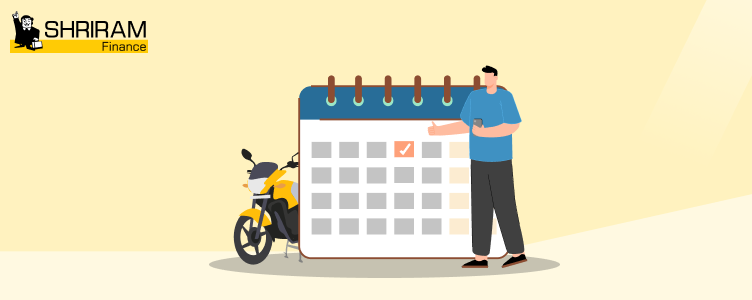
There is something truly special about setting out on a long-distance ride. Whether you are heading off for the weekend or planning to cross several states, making sure your bike is ready matters more than most realise. When a two-wheeler is properly maintained, it works better and you shouldn't encounter unexpected difficulties at any point during your journey.
Your vehicle is exposed to different stresses when commuting daily and on long rides. The bike that is perfectly suited for short journeys may not be able to perform the same during a long ride without the same level of attention. This is why undertaking required maintenance checks before commencing a long ride is not only a good idea - it's imperative.
Prior to departing, it's important to check a few vital parts of your motorbike. Tyres, brakes, chains, and lights should all be checked. These checks ensure your safety and also provide a more comfortable and efficient ride for the duration of your journey. An issue that is small and over looked can lead to bigger problems down the line especially when help isn't nearby.
The fuel used, suspension condition and electrical system are also worth inspecting. Breakdowns can be avoided by taking care of these parts prior to your journey. They also ensure smoother ride. Roads and weather can be unpredictable on long rides, so preparing your bike to handle different situations is always a smart move.
In the sections that follow, you will find simple and practical advice on how to get your bike ready. From safety checks to performance tips, each point help you ride without worry. With proper care and maintenance checks before a long ride, you can enjoy the journey as much as the destination.
Inspect Tires and Brake Condition
Tyres and brakes play a vital role in ensuring adequate road grip and effective stopping power. Before heading out on a long journey, give both components your full attention.
Tyre Inspection
- Check tyre pressure: Use a digital or manual pressure gauge to ensure both front and rear tyres match the recommended PSI level mentioned in the owner’s manual. Underinflated tyres can lead to reduced fuel efficiency and compromised grip, while overinflated tyres may impact braking responsiveness.
- Examine tread depth: A healthy tread ensures better control on wet or uneven roads. Use a coin test or tread wear indicator to see if the tyres need replacing.
- Look for damage or cracks: Inspect the sidewalls for any cuts, bulges or embedded objects. These signs can lead to tyre failure, especially at high speeds.
- Check for uneven wear: Irregular wear patterns might signal wheel alignment or suspension issues. Get these checked before a long ride.
Brake Inspection
- Inspect brake pads: Worn-out pads reduce braking performance. If the brake pads appear thin or produce squeaky sounds, consider having them inspected and possibly replaced.
- Test the brake lever and pedal feel: A soft or spongy response may indicate air in the brake lines or low brake fluid levels.
- Check brake fluid: Make sure the fluid is within the recommended level. Also, check its colour. Dark fluid means it’s time for a change.
- Look for leaks: Any sign of brake fluid around the master cylinder, should not be ignored.
These basic checks can help you avoid critical issues on the road and give you better control, especially during sudden stops or wet conditions.
Engine Oil, Coolant and Fluids Check
A smooth and efficient engine depends heavily on clean fluids. These checks are an essential part of any pre-ride bike checklist, especially before setting out on a long journey.
Engine Oil
- Check oil level: Park the bike on level ground and use the dipstick or inspection window to check the oil. It should be between the minimum and maximum mark.
- Look at the oil colour: Fresh engine oil is amber or light brown. If it appears dark or gritty, a change is needed.
- Top up or replace if due: If your last oil change was more than 3,000 to 5,000 km ago, depending on your bike model and oil type, it is advisable to have the oil changed before the ride.
Coolant
- Check coolant level in the reservoir: Make sure it’s within the marked limits. Riding with low coolant can cause the engine to overheat.
- Inspect for leaks: Look around the radiator and hose connections. Any leakage should be addressed immediately.
- Look at coolant colour: Cloudy or rusty coolant could mean it’s time for a flush and refill.
Other Fluids
- Brake fluid: Should be clear and between the min-max levels. Change it if it looks dark or has not been replaced in a year.
- Clutch fluid (if applicable): Similar checks apply. Low or dirty fluid can affect clutch performance.
- Chain lubricant and cleaning: A dry or rusted chain affects smooth movement. Clean and lubricate it as part of your preparation.
Checking these fluids not only protects your engine and parts but also helps ensure your bike is truly travel-ready.
Engine Oil, Air Filter and Drivetrain Maintenance
Keeping your engine and moving parts clean and well-maintained is key to safe and efficient riding. These checks play a vital role in long ride bike preparation and help avoid unexpected issues during your journey.
Engine Oil
- Inspect oil level and condition: The oil should be at the correct level and look clean. Old or degraded oil reduces performance and increases wear.
- Replace if nearing change interval: If the oil has not been changed recently, it’s best to do so before a long ride. Always follow your bike’s manual for the correct grade.
Air Filter
- Check for dust and blockage: A dirty air filter can reduce airflow, cut power and lower fuel efficiency. If the filter looks clogged or grey, replace it.
- Clean if reusable: Some air filters are washable. Rinse with clean water and let it dry completely before reinstalling.
Drivetrain
- Inspect the chain and sprockets: The chain should have even tension and proper lubrication. Sprocket teeth should not look sharp or worn.
- Clean and lube the chain: Dirt on the chain adds friction and leads to faster wear. Clean with a brush and use a good quality chain lube.
- Check tension: A loose chain can slip; a tight chain can strain the engine. Maintain the correct slack as mentioned in the user manual.
These checks are simple but critical. They not only support engine health but also help in reducing fuel consumption and maintaining bike stability.
Battery, Electricals and Lights Check
A reliable electrical system is just as important as good tyres or brakes when preparing for a long ride. A minor issue with the battery or lights can lead to unexpected delays or even safety risks. That is why this area deserves attention as part of your pre-ride bike checklist.
Battery
- Check for charge and health: Use a voltage tester and check the voltage. Optimum voltage should be in the range of 12.6V - 13.8V. If the voltage drops below 12V, you will want to recharge and/or consider replacing the battery.
- Look for physical damage: Look for bubbles or cracks, or leakage around the battery casing. These issues are clear signs battery failure is near.
- Secure terminals: Use baking soda to clean the terminals. Apply petroleum jelly to the terminals to prevent corrosion and the disastrous loss of power. Pay special attention if you ride in humid conditions or along the coast!
Test cranking power: If your bike struggles to crank, or seems sluggish while cranking, consider replacing the battery before it fails during the ride.
Electricals
- Functional test of horn and switches: Ensure the horn is loud enough, and the switches (ignition, pass light, kill switch, indicators etc.) are all operating properly.
- Wiring inspection: Check all exposed or wrapped wiring for burnt or pinched wires. The area under the fuel tank and/or around the battery suffer the most heat exposure so pay particular attention to those areas.
- Fuse box: The fuse box should be dry and free from rust on the fuses. Carry additional fuses of the same rating, as they are so compact but critical to carry on a long ride.
- Relay: The electrical relay switches change various high-current circuits. Listen for a clicking sound when activating the switches or relays. If there is no sound, the relay is likely damaged or non-functional.
Lights
- Headlight focus and brightness: Aim at the beam correctly to avoid blinding others. An LED upgrade can improve brightness and reduce battery strain.
- Taillight and brake light check: Confirm the taillight is always on and the brake light responds to both front and rear brake levers.
- Turn indicators and number plate lights: Ensure indicators blink at an even pace. A fast blink often signals a burnt-out bulb. The number plate light is legally required in most states.
- Hazard light test: If your bike is fitted with hazard lights, check that all indicators blink together when activated. These are especially useful in low visibility.
- Carry spares: Pack extra bulbs, fuses and even portable charger or jumper cables. In remote areas, spares can be difficult to source.
These checks may seem basic, but they are essential. Battery issues or non-functional lights in unfamiliar areas can cause inconvenience and may increase safety risks. Paying attention to these electrical points ensures your bike is not just travel-ready, but also dependable throughout the journey.
Tool Kit, Emergency Gear and Safety Essentials
When preparing for a long ride, it is not just about checking parts of your bike. Having the right tools and safety gear can make a big difference in how you handle unexpected situations on the road.
Tool Kit
- Carry the basics: Include spanners, allen keys, screwdrivers, spark plug wrench and a puncture repair kit. These are often needed for quick roadside fixes.
- Check tool quality: Avoid rusted or poor-quality tools. A compact, branded multi-tool can be a smart upgrade.
- Add a portable tyre inflator: Battery-powered inflators are compact and helpful for tubeless tyres. Some even come with pressure gauges.
Emergency Gear
- First-aid kit: Keep a fully stocked kit with bandages, antiseptic cream, pain relievers and your regular medication.
- Reflective vest or gear: If you are riding at night or in foggy weather, a reflective vest improves your visibility to other drivers.
- Emergency contact card: Carry a card with your name, blood group, allergies and two emergency contacts. Keep it easily accessible.
- Power bank or USB charger: With GPS navigation and mobile connectivity being vital on long rides, a charged phone is essential.
Safety Essentials
- Helmet condition check: Look for cracks or worn-out padding. Make sure the visor is scratch-free for better visibility.
- Riding gloves and jacket: Wear gear with proper protection and ventilation. Comfort matters on longer rides.
- Water and snacks: Dehydration and fatigue can sneak up on you. Keep a reusable bottle and some energy bars handy.
Rain gear: Sudden weather changes are common. A compact rain suit can keep you dry and warm.
Having the right gear means more than simply carrying tools or spares. When you take time to prepare properly, you are not only ticking off the usual maintenance checks before a long ride, but you are also getting yourself ready in mind and body. Though these efforts are overlooked, they make a big difference. They help you stay calm in tough situations and can turn a stressful moment into something manageable.
Carry out a Final Safety and Comfort Check
Once all mechanical and electrical inspections are complete, take a few extra minutes to focus on overall safety and rider comfort. These often-overlooked steps can make a big difference, especially on longer journeys.
- Adjust mirrors and controls: Set mirrors for a clear rear view. Brake and clutch levers should move freely. Check the throttle response for smooth control during longer rides.
- Confirm seat comfort and riding posture: Long hours on the saddle require a comfortable, well-secured seat. Try sitting with full gear on. Adjust posture to avoid back or shoulder strain.
- Test helmet fit and protective gear: Wear your helmet and riding gear to ensure everything fits well. Tighten straps, secure visors and make sure gloves and jackets allow free movement.
- Secure luggage and added accessories: Make sure your saddle bags or tank bags are securely fastened before the trip. If luggage is not properly strapped, it can affect your bike’s balance and handling. Also, try not to carry more than necessary, as too much weight may impact how the bike performs.
- Inspect foot pegs and side stand: Confirm that foot pegs are firm and not wobbly. Ensure the side stand is retracting properly and does not drag or stick when lifted.
- Run a short local test ride: Ride for a few kilometres to check handling, noise and braking response. This quick step can reveal hidden issues before a long journey.
- Check visibility and airflow: A clean helmet visor ensures clear vision. Make sure ventilation vents are working, especially during summer, to avoid discomfort.
- Carry basic repair tools and essentials: Include a puncture kit, spanners, fuses and a small torch. Being prepared helps build confidence and ensures your bike is ready for travel.
These final checks ensure your bike is fully prepped and that you stay relaxed and alert during your journey. Together, they turn a well-serviced bike into one of the most reliable and travel-ready bikes on the road.
Conclusion
Preparing your bike properly can greatly influence the degree of safety and enjoyment that you will experience on your ride. Take the time to regularly conduct checks on your bike. This is one way to help minimise unexpected breakdowns while out on the road and costly repairs at home. You should closely inspect your bikes tyres, brakes, engine oil, coolant and electrical components. You should not forget to check even the smallest components, like the air filter and drivetrain, as they can all affect how well your motorbike operates.
Do not forget to pack basic tools and safe riding gear. Preparation for long-distance rides is not just about setting up your motorcycle for the ride. Riders should be prepared for an uncertain future. You should bring at least basic repair kits to ensure you are not stuck if something goes wrong and you have no access to assistance. You should have a good foundation for an emergency kit as well, to minimise the chance of you being stuck without any help.
If you develop and continue these habits, with a bit of ongoing diligence, you will have a more reliable bike and riding confidence. You will have fewer difficulties and spend less on repairs while getting more use from your vehicles. Good planning for your ride and the opportunity for breakdowns means you will also lessen the chances of the delays and hazards if travelling an unfamiliar route. Always make sure to start your journey with these checks.
FAQs
What are the basic checks for maintenance before you take a long ride?
Before a long ride check tyre pressures and tread, brake pads, engine oil, coolant, lights, battery condition, recommenced chain lubrication, nuts and bolts are tight, and air filter is clean. These checks make breakdown avoidable and allow a smooth ride over long distances.
How do you check tyres and brakes to ensure safety?
Check tyre pressure and tread depth is safe, check for any cracks or bulges. For brakes, check that the pads have thickness and also listen out for any strange noises. For both front and back brakes, you need to check that they respond properly. Check brake fluid level if required. By regularly checking components you increase your road safety and controllability.
Should I change the engine oil before long rides?
If you've not changed the engine oil, or it's low, or it looks dirty, then yes, it should be changed before long rides. New engine oil makes a difference to performance, for wear within the engine, and for fuel economy. You should also check your engine coolant and top up if needed to avoid overheating during long rides.
What emergency tools and spares should be carried?
Always have a puncture repair kit, tool kit, spare bulbs, extra fuses, chain spray, tyre inflator, torch and cable ties. Include a first-aid kit and photocopies of bike documents. These essentials help tackle minor repairs and unexpected issues, ensuring a safer and more prepared long-distance journey.
Enjoyed the Article? Share it with someone who might too!
- Share Via


 Previous Article
Popular Tags
Recent Articles
Essential Maintenance Checks Before a Long Ride

Yamaha Aerox E India- Launch Date September 2026

Komaki X-One Electric Scooter for Women in India 2026

Vespa 150 and Yamaha Grand Filano India 2026 - One You Can Buy Today, One That Isn't Here Yet

Ampere Xpress Electric Scooter India 2026 - What It Actually Is and the Best Budget EVs You Can Buy Right Now
Royal Enfield Classic 350 vs. Bullet 350 – Choosing What Fits You

How to Check Your Bike Challan Online - 2026 Edition
Women-Centric Bikes with Low Seat Height

Electric Bikes Under ₹1.5 Lakhs in India

Top Fuel Tank Capacity Bikes in India