


Riding the Future: What's Behind the Electric Bike Tech Revolution?
- Posted: 23rd, Feb 2026
- Updated on: 23rd, Feb 2026
- Category: Finance
- Written by: Shriram finance

 705
705 14 Min
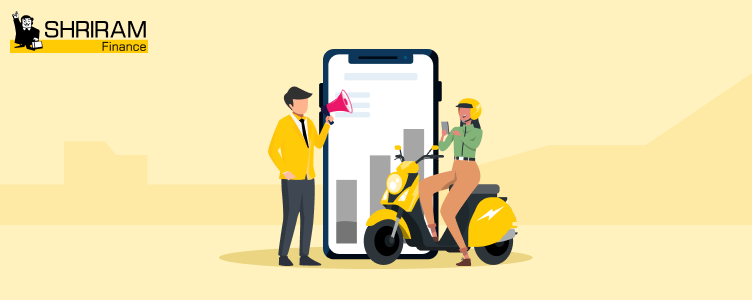
The electric bike technology revolution has drastically altered the way people view personal transport. With rising fuel prices and intensifying environmental concerns, a growing number of buyers are turning to electric mobility. The rise of advanced bike technology has also played a big role in this shift.
At the centre of this change is a strong focus on sustainable travel and performance. Today’s electric two-wheelers are smart and efficient along with being eco-friendly. Whether it is smoother rides, longer ranges, or lower running costs, the benefits of these innovations are hard to ignore.
This article narrates the internal forces that drive this change. The innovations-from the advances in the batteries to smart high-tech features-will be dissected into smaller bits that inform the global future of e-bikes. As the industry moves ahead, retro-modern two-wheelers and classic motorcycles are also seeing an electric makeover. Let us understand what is powering this new chapter in two-wheeler travel.
The Growth of Electric Two-Wheelers in India
India is experiencing a highly important transformation in travel habits marked notably by the increasing adoption of electric two-wheelers. This trend is moving fast not only by growing environmental awareness but also by advancements in battery technology, heightened sensitivity to fuel expenses and supportive government policies promoting cleaner modes of transportation.
There are many aspects that are driving the demand increase for electric bikes in India:
· Rising Fuel Prices: The increasing price of petrol, which is rising all the time, is making the cost of conventional two-wheelers for daily usage quite high. Electric bikes offer a practical alternative with lower running costs.
· Government Incentives: The Indian government provides several subsidies and tax incentives to the electric bike sector. This makes it easy for many buyers to lower their purchases significantly and encourages more users to switch.
· Better Infrastructure: Charging stations are increasingly common to major cities. This reduced range anxiety and now makes electric bikes more convenient for everyday use.
· Advanced Bike Technology: Innovations in battery formulae, motor efficiencies, and the electronic system have matched or even exceeded the performance of petrol engines.
· Growing Urban Population: As populations move to cities, the need for accessible, lightweight and low-maintenance affordable means of transport increases. Electric bikes fit this.
Modern electric bikes have something for everybody. Sporty models, vintage-style bikes, and more are all available in the market. Many companies are recreating old motorcycle designs as electric models, and these retro-modern two-wheelers answer the calls for classic looks with the performance of modern mechanics.
Another aspect of this growth phenomenon is shared mobility. Electric two-wheelers are part of the delivery service, renting, and even fleet operation. They provide low operating costs with easy maintenance, opening new markets for electric bicycles. This way, people will get used to electric bikes, and their overall acceptance would increase.
The view ahead indicates a bright future for e-bikes in India. Continuous investment keeps pouring into technology and design focused on electric bikes, thus promising a strong presence in the future of urban transport. This is not just a passing trend. It is a movement that changes how Indians ride, commute and think about mobility.
Breakthrough Innovations in Electric Two-Wheelers
In the past few years, with practical innovations boosting performance, safety, and energy efficiency, the uprising of electric bike technology has gained speed. Not all of them primarily hang on looks or battery power, but they are destined to affect the future of e-bikes directly and put them on the frontier of advanced bike technology.
Battery systems are one of the most talked-about aspects in electric bike innovation. Contemporary e-bikes utilise lithium-ion batteries whose energy density, lifespan, and charging time are far improved. Most of the new models accommodate fast charging that brings the battery to 80% in an hour, which shortens the downtime considerably and promotes everyday use. A few manufacturers are working toward swapping battery options to battle range anxiety, mainly in urban areas.
Another advancement like the integration of smart features with electric two-wheelers that include mobile connectivity, built-in GPS, anti-theft systems and real-time diagnostics. These additions help riders monitor the vehicle’s condition, plan routes more efficiently and improve overall safety.
Motor technology has fundamentally changed. The brushless DC motors are becoming the most widespread. These motors are lighter, quieter, and offer more torque control, meaning better handling of electric bikes. Regenerative braking is another feature catching up with the trend, helping recharge on the go, thus working for higher efficiency.
The performance is aided by the use of lightweight materials. The aluminium frame, carbon parts, compact set of components, and materials ensure less weight without compromising strength. This not only contributes to better ride comfort but also assists with battery consumption management.
Good user interface and digital screens are standard on many electric bike platforms. These user interface screens show live tracking of vehicle speed, battery level, riding modes, and maintenance notifications.
Together, these electric bike innovations are helping to change public perception of e-bikes. They are no longer seen as just eco-friendly alternatives but as modern, reliable two-wheelers suitable for both urban and long-distance use. With ongoing research and a growing focus on rider experience, the electric bike tech revolution is firmly shaping the next generation of personal transport.
How Electric Tech is Redefining Classic Motorcycles?
With electric mobility surging, the design and engineering of two-wheelers are being redefined across the globe, including classic motorcycles. With the advancement of technology, several manufacturers are combining the vintage aesthetics of the bikes with the modern functions of electric systems. In this way, riders can experience the charm of old-school design while benefiting from new-age attributes like clean, quiet, and efficient performance.
Electric bike manufacturers are paying close attention to those features that had made the classic motorbikes iconic-teardrop-shaped fuel tanks, exposed metal frames, upright riding position, which, of course, round headlamps are just to mention a few. Effectively retaining these characteristics lies the creation of a type of retro-modern two-wheelers that feel incredibly familiar, yet on the ride feel completely different.
What sets this change really very much apart is the way electric powertrains have been integrated into age-old frames. While the petrol engines are quite bulky and noisy, the electric motors are very compact in dimension and silence, allowing much freedom to maintain the vintage appearance even as the functional superiority improves with more creativity. Add to this that, because electric bikes do not require a large fuel tank, carburettors or exhaust pipes, imaginative space-use converters can rethink the way available space is used while keeping its original classic silhouette.
Another advantage is ride quality. Many electric versions of classic models now offer smoother torque delivery and require less frequent maintenance. This aligns with urban riders who prefer timeless looks without the hassle of regular upkeep. Features like regenerative braking, smart connectivity as well as customisable ride modes further enhance convenience without changing the intent of the original design.
This fusion offers nostalgia with a touch of innovation and brings many riders to it. Unlike the present electric models, old motorcycles had their character, but the mechanical limitations came with them. The electric bike tech revolution of today does away with many of these challenges through a seamless riding experience with low concerns over environmental impacts.
Challenges Slowing the Revolution
The promise and progress of this electric bike technology revolution are thus associated with several of the challenges holding it back from being really mainstream in India and elsewhere. Some of these have to do with technical issues, but many also have to do with practical, financial, and infrastructural dimensions.
1. Limited Charging Infrastructure
One of the main concerns is the lack of reliable charging stations. Although efforts are being made to build networks across cities, the current coverage is still too limited to meet growing demand. Many riders are hesitant to shift to electric bikes because they fear running out of charge, especially on longer routes or in smaller towns.
2. High Initial Costs
Electric two-wheelers tend to cost more upfront compared to conventional petrol-powered bikes. While the running costs are usually lower, the higher price of electric variants often discourages price-sensitive buyers. Even with subsidies in some areas, affordability remains a key barrier, especially for first-time buyers.
3. Battery Life and Replacement Costs
The battery is one of the most expensive components of an electric motorcycle. Although improvements in battery technology continue, concerns around lifespan, performance degradation and replacement expenses remain. Many users are unsure about how long their battery will last and what it will cost to replace it in future.
4. Performance Perceptions
Some riders still believe that electric bikes cannot match the feel, power delivery, or top-end performance of petrol motorcycles. While several models have proven otherwise, this perception continues to affect interest, especially among enthusiasts of classic motorcycles or those who value high-speed riding.
5. Lack of Skilled Mechanics
Electric bikes come with different systems than traditional ones. Many local workshops are yet to fully understand electric drivetrains, which affects servicing and repairs. Until more skilled technicians become available, users may face limited support outside of brand service centres.
6. Range Anxiety
Even with improvements, range limitations continue to influence purchase decisions. Many riders prefer long-distance capabilities. When electric bikes offer less range than petrol counterparts, buyers hesitate, especially in regions where daily commutes exceed 40–50 kilometres.
The electric bike journey in India is steadily advancing, but these challenges must be addressed with consistent policy support, technological development and stronger awareness campaigns. Only then can the revolution truly reach every road.
Future of E-Bikes in India and Globally
The electric bike industry is evolving quickly, and the coming years are expected to bring more growth both in India and around the world. A mix of environmental concerns, changing transport needs and technological progress is shaping how e-bikes will develop.
In India, the rising cost of fuel and air quality issues in major cities are pushing both consumers and the government to look at cleaner alternatives. E-bikes fit well into this plan, offering a cost-effective and low-emission option for daily commuting. State and central governments have introduced various schemes to encourage adoption. These include financial incentives and support for setting up charging infrastructure. While current adoption is still limited in rural and semi-urban areas, this gap is likely to narrow as prices fall and battery technology improves.
On a global level, electric bike innovations are focused on improving battery efficiency, reducing charging time and enhancing safety features. Countries in Europe and East Asia are leading the shift. In many of these places, electric two-wheelers are no longer viewed as secondary transport. Instead, they’re becoming the preferred choice for urban travel. Global players are investing in advanced bike technology, with smart features like GPS tracking, ride analytics and improved connectivity.
The future of e-bikes also includes stronger integration with public transport systems. In some cities, shared electric bikes are already available for short-term rentals. This approach is expected to grow, helping reduce congestion and pollution in crowded areas. The model could work in Indian cities too, particularly in metro-linked areas.
In terms of design, the focus is shifting toward lighter frames, better ride comfort and longer range. There is also a growing demand for vintage-styled bikes with modern electric drivetrains. These retro-modern two-wheelers are attracting attention from younger riders who want both style and sustainability.
Overall, the electric bike tech revolution is likely to continue at a steady pace. With more brands entering the market, better policies and rising public interest, e-bikes are set to play a bigger role in how people move not just in cities but across regions and borders.
What Buyers Should Know Before Choosing an E-Bike?
Before you buy an e-bike, make sure the features suit your everyday riding needs. Here are some salient points to remember when choosing the right bike model:
Purpose and Travel Pattern
Consider how often and how much distance will have to be covered by riding.
· Small and compact e-bikes for city use up to a short distance are good options.
· For longer distances, choose a model with better range and faster charging.
Battery Type and Charging
Battery performance greatly affects usability.
· Lithium-ion batteries are the most widely used because they have a fast charge and are lighter.
· Check if the battery is removable—it makes charging easier, especially in flats.
· Understand charging options. Some e-bikes need public stations, others charge at home.
Bike Weight and Handling
· A lighter bike is easier to manoeuvre in city traffic and tight spots.
· Heavier models may offer better road stability on highways.
Comfort and Ergonomics
· Always test-ride it before you buy it.
· Make sure the height of the seat, position of the handle, and the brakes are fine for you for everyday use.
· Most importantly for regular riding, make sure it fits your body posture, particularly if you are going to be riding it every day or long distances.
Features and Technology
· Some models come with digital screens, smartphone pairing, or navigation.
· These features are useful but should not outweigh battery range and comfort.
After-Sales Service and Warranty
· Check the availability of service centres near you.
· Review warranty details for battery and motor.
· Strong service support ensures lower running costs.
Running Costs and Maintenance
· While e-bikes reduce fuel expenses, battery replacement can be costly.
· Look into service intervals and parts availability.
By keeping these points in mind, buyers can make a well-informed decision that matches both their lifestyle and budget.
Conclusion
The electric bike tech revolution is impacting how people think about personal transport. With improvements in battery life, motor design and energy efficiency, electric bikes are becoming a strong alternative to traditional two-wheelers. They offer a cleaner mode of travel and are better suited to the demands of modern cities.
India’s growing interest in e-bikes is part of a larger global paradigm. The future of e-bikes will be dotted with innovations yet to come, some of which will include longer travel distances, faster charging, and smarter connectivity. But issues such as limited charging access and solutions for long-term reliability need to be surmounted. These are, however, being undertaken to realise the expectations and needs of the buyers.
Switching to an electric two-wheeler for new buyers is certainly more than a trend; it amounts to a heady decision towards lower running costs, a healthier reduction of emissions, and a much better riding experience. The right model, accompanied by adequate research, could fulfil both daily and long-term requirements for an electric bike rider.
As we look ahead, the electric bike tech revolution is not just about bikes, it reflects a broader change in how we move. It’s about building a cleaner, more efficient future on two wheels.
FAQs
What are the key technologies driving the electric bike revolution?
Improved lithium-ion batteries, lightweight motors and efficient controllers are now available in electric bicycles. Most of the e-bikes feature regenerative braking and linked applications for collecting ride data. In all, these features have improved the usability of e-bikes, shortened the charging times and further extended their range up to hundreds of kilometres. The combination of advanced smart electronics will continue to drive the electric bicycle market forward through stronger components.
How do electric bikes compare with petrol bikes in performance?
Electric bikes provide smooth power and instant torque, making them easier to handle in traffic. While their top speeds are generally lower, they offer a quieter ride with fewer vibrations. For city use and short travel, many riders find them practical and comfortable. Maintenance is also simpler due to fewer moving parts.
What are the environmental benefits of electric bikes?
Electric bikes help reduce air and noise pollution. Since they run on electricity, they produce no direct emissions. Over time, they also lower fuel demand. When charged using renewable sources, their carbon impact reduces further. They play a role in promoting cleaner cities and reducing traffic-related pollution.
What challenges do electric bikes face today?
Electric bikes still face a few key hurdles:
· Limited public charging points in some areas
· Higher upfront cost compared to basic petrol bikes
· Battery recycling and disposal concerns
· Reduced performance over long distances or rough terrain
Addressing these challenges is essential for wider adoption in both urban and rural areas.
Enjoyed the Article? Share it with someone who might too!
- Share Via


 Previous Article
Popular Tags
Recent Articles
EV Bike Range Comparison 2026: Complete Guide to Electric Bike Mileage in India
Hero Vs Honda-How to Decide What Fits Your Needs
.jpg)
EV Scooter Home Charging in India 2026 - Cost, Setup and What You Actually Need

TVS Vision iQube Concept India - Launch Date, What TVS Has Confirmed, and Whether You Should Wait
Ola Diamondhead Electric Motorcycle India

RTO Rules for Two-Wheelers in Mumbai
Honda QC3 Electric Scooter

Top Lightweight Bikes for Easy Manoeuverability and City Riding

Top Fuel Tank Capacity Bikes in India
Best Electric Scooter for Women in India 2026